Best game room signs by glow, theme, and wall size.
A game room sign should support the room rather than fight the screen, shelves, posters, or table setup. Choose the product type by light level, message, and mounting before picking a style.
Disclosure: As an Amazon Associate, we may earn from qualifying purchases and approved partner referrals.
Judge a game room sign from the main chair and doorway: screen reflections, shelf clutter, and viewing distance matter more than how the sign looks close up.Category route
Product-first guide
Shop the products in this guide
Compare these affiliate product routes first, then use the guide criteria to choose the ready-made sign, mounting supply, or custom-sign path that fits the room.
The wall needs a focal point behind a couch, desk, console shelf, card table, or arcade cabinet.
The phrase or icon matches the games actually played in the room.
The sign can be mounted without adding glare to screens or covering display shelves.
Choose By The Room Constraint
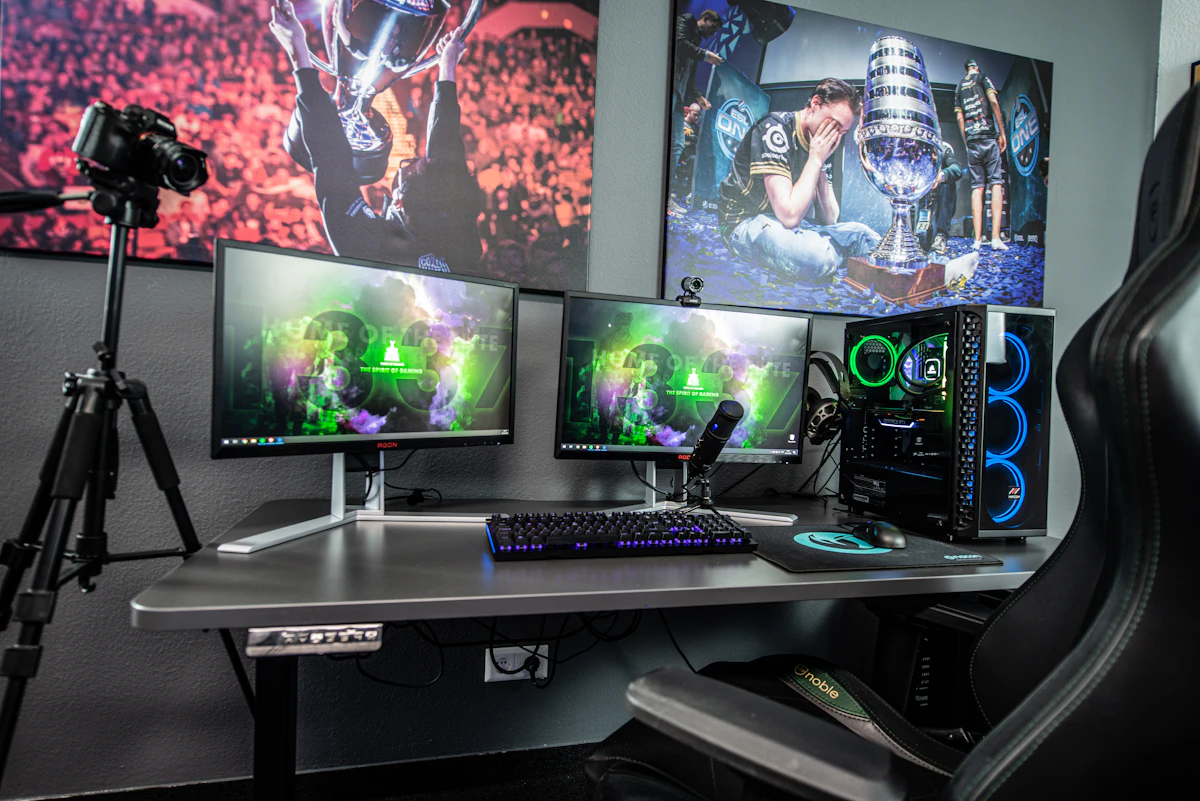
Screen-heavy setup: favor a non-lit metal, wood, or printed sign where reflections are already a problem. Tape a reflective sheet of paper in the proposed spot and view it from the main chair before buying.
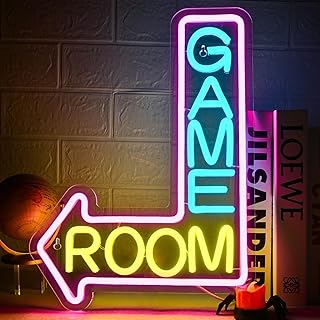
Dark arcade corner: an LED-style sign can provide a focal point, but check brightness controls, outlet location, and cable routing. Keep it outside the direct sightline to the main screen.
Busy collector wall: choose one larger, simple sign or a small sign that fills a deliberate gap. Another medium-size graphic can make shelves and posters feel more crowded.
Personalized room: use a custom route when a gamer tag, family name, or league name is the point. Send the maker a wall photo, target dimensions, short wording, color direction, and the normal viewing distance.
Rental or changing layout: favor a lighter framed print, freestanding sign, or another option compatible with the wall and property rules. Confirm the mounting method before ordering.
Check Size, Power, And Mounting
Measure only the clear wall area not occupied by screens, speakers, shelves, doors, or chair backs.
Mock up the proposed sign with paper or painter's tape, then inspect it from the doorway and main play position.
For a lit sign, test the location after dark and note reflections in every screen.
Plan the outlet and full cable route, including any section that would cross a desk, shelf, or walkway.
Confirm the sign weight, hanging points, wall construction, and appropriate hardware before installation. The sign mounting guide explains the main product routes.
Skip Or Switch Product Type When
The room already has strong LED strips, posters, and shelves competing for attention.
 The Good Sign Company