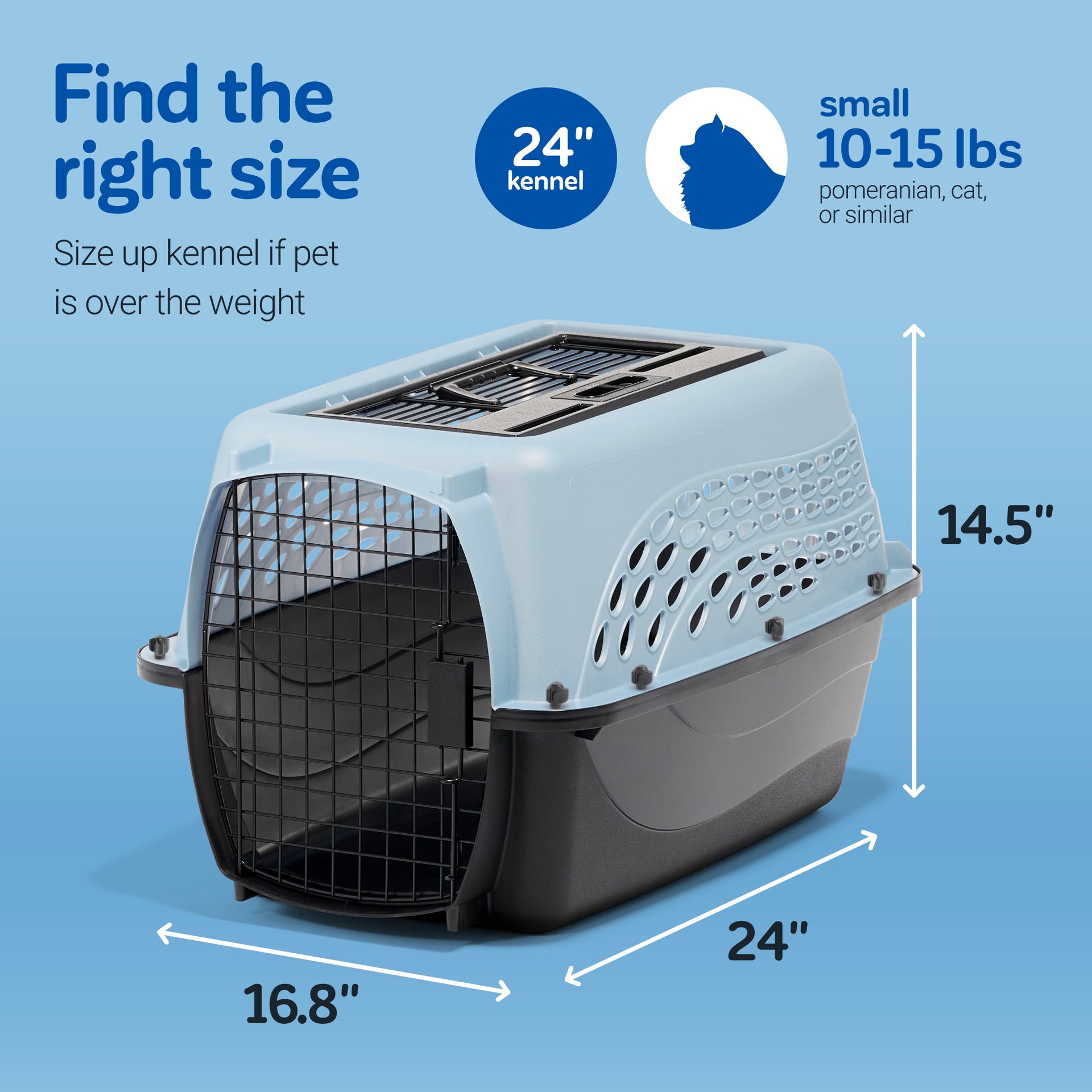
 Sherpa Original Deluxe Carrier
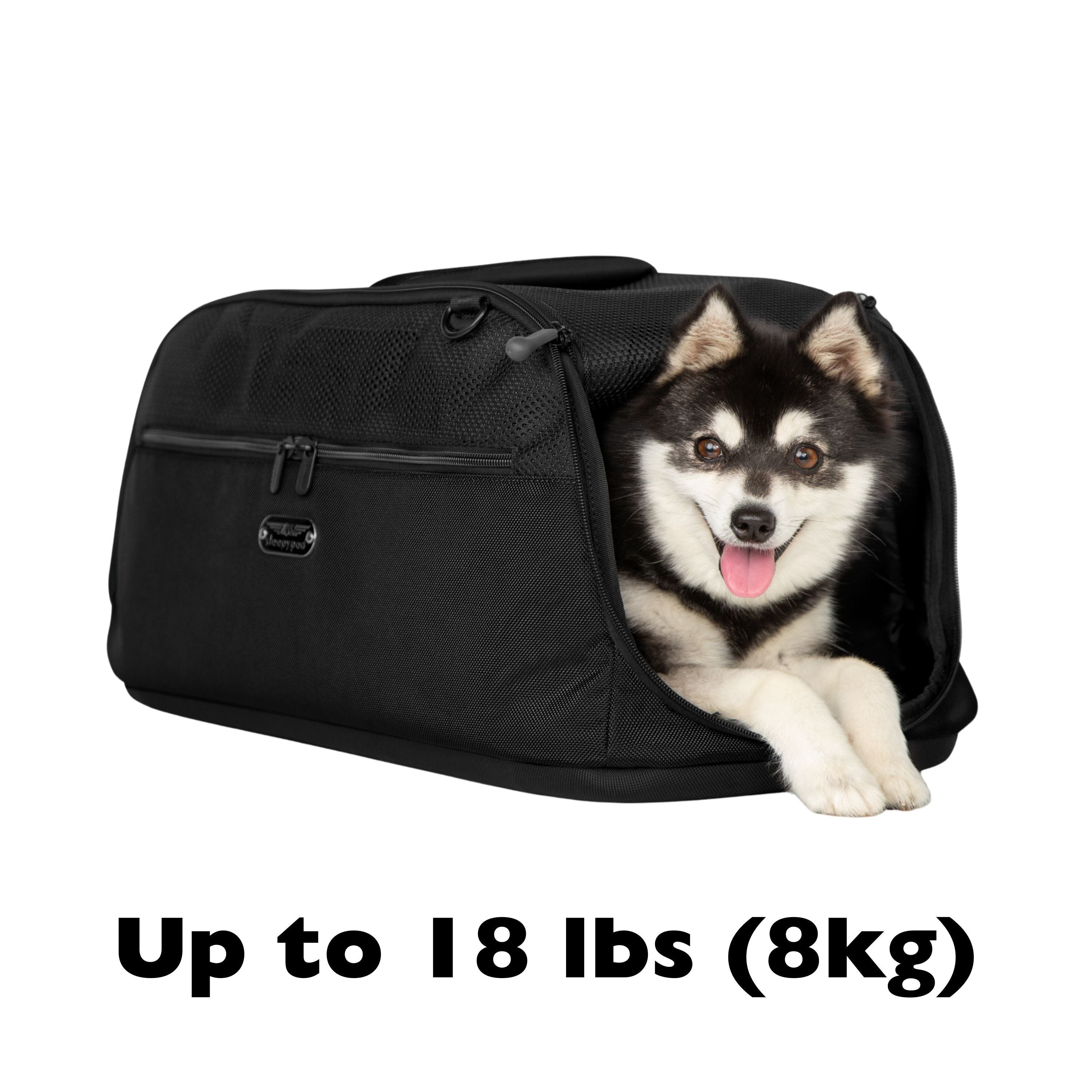 Sleepypod Air In-Cabin Pet Carrier
This is a purchase-decision guide, not a hands-on product test. It covers ordinary short trips and routine veterinary visits for appropriately sized cats and small dogs. It does not make airline, crash-safety, escape-proof, medical-transport, or guaranteed-calming claims.
Quick decision: buy, keep, delay, borrow, or escalate
Buy when the current carrier has cracked plastic, damaged mesh, unreliable closures, loose fasteners, sharp edges, a flexing base, or dimensions that no longer let your pet rest in a natural position. An upgrade can also earn its cost when safer-feeling access and easier cleaning remove a recurring obstacle from necessary trips.
Keep an intact carrier that fits your pet, closes securely, provides ventilation, stays level when lifted, accepts a thin liner without blocking doors, and is manageable for the person carrying it.
Delay when the carrier still works and the proposed replacement only adds pockets, color, or features you will rarely use. Measure your pet and storage space before shopping.
Borrow when the need is genuinely one-time and you can inspect, clean, and confirm the borrowed carrier's fit and security before the trip. Do not discover its missing hardware on departure day.
Escalate when pain, limited mobility, breathing concerns, severe distress, repeated escape attempts, biting, or unsafe handling makes routine transport difficult. Ask a veterinarian how to plan the trip; a qualified reward-based trainer or veterinary behavior professional may also help with carrier practice.
Audit the carrier you already have
Start with the old carrier empty and in bright light. Check the shell, mesh, seams, zippers, latch, hinges, screws, clips, handle, shoulder-strap anchors, base insert, and every connection between the top and bottom. Retire it if damage could worsen while occupied.
- Interior fit: Measure usable length, width, and height rather than relying on a size label. Your pet should not be tightly wedged or forced into an unnatural posture.
- Loading access: A secure top opening or removable top may make routine loading easier, but only if every closure locks reliably.
- Ventilation: Openings should remain clear when a liner is added and when the carrier sits beside other belongings.
- Cleaning: Look for lingering odor, inaccessible residue, damaged padding, or absorbent material that cannot be cleaned according to its instructions.
- Handling: Lift the empty carrier and consider its occupied weight. The base should stay supported and the handle placement should not make it tip sharply.
- Storage: The replacement needs a realistic home where it remains assembled or can be inspected before use.
The broader pet carrier guide for vet visits and short trips is the site's practical outing-gear pillar for comparing access, structure, ventilation, fit, cleaning, and storage once you decide to replace yours.
Cost, setup, and maintenance tradeoffs
- Purchase cost: Pay for better fit, sound construction, useful access, and manageable cleaning—not an oversized feature list.
- Setup: Rigid models may require correct assembly after cleaning. Soft models need the base insert seated and every zipper fully closed.
- Cleaning: Hard shells are often simpler to wipe; fabric and mesh may need more drying time. Follow the maker's care instructions.
- Storage: Rigid carriers consume more closet or floor space. Collapsible designs save space but still need a supportive base and dependable frame.
- Carrying: A sturdier carrier may weigh more. Include pet, liner, and carrier weight when judging stairs, parking lots, and clinic entrances.
- Familiarization: A new carrier may need calm, gradual introduction before a necessary trip. Buying the night before removes that setup time.
Who should skip an upgrade for now
Skip the purchase if the current carrier passes the damage, fit, closure, ventilation, cleaning, and handling checks. Also skip an airline-branded, backpack, wheeled, or expandable upgrade when your actual need is a short trip from home to car to clinic.
Do not choose a soft-sided replacement merely for easier storage if your pet persistently chews mesh, forces zippers, or presses hard against flexible walls. Do not buy a larger carrier without checking whether the extra interior space makes it harder to carry level or secure in the intended location.
Replacement and shopping red flags
Replace rather than repair around critical load-bearing or closure points when the shell is cracked, the handle or anchor is loose, mesh is torn, a zipper separates, a latch fails to close consistently, fasteners are missing, or sharp edges and exposed wire are present. Tape and improvised clips are not dependable fixes for a carrier that must stay closed while lifted.
When shopping, avoid listings without interior dimensions, stated weight limits, material details, assembly directions, ventilation views, or care instructions. Treat “escape-proof,” “airline approved,” “crash safe,” and guaranteed-calming language cautiously; verify any requirement with the relevant carrier, transport provider, or professional rather than relying on a marketplace headline.
Lower-cost alternatives
A washable carrier liner can solve minor comfort or cleanup friction when the carrier itself remains sound; compare carrier liners for vet visits and short trips. Replacing a removable liner or base insert is reasonable only when the manufacturer supplies a compatible part and the carrier has no structural damage.
For infrequent trips, borrowing a correctly sized intact carrier can beat buying. If the real issue is choosing between shell types, use the hard-sided versus soft-sided carrier comparison before spending more. Familiarity may also matter: leave a safe, intact carrier open at home when appropriate so it is not introduced only on stressful travel days.
When the decision belongs with a professional
Contact a licensed veterinarian before transport when your pet seems painful, weak, injured, ill, unusually short of breath, or unable to enter or rest in a normal position. Ask the clinic how to handle urgent or mobility-limited transport; do not expect a new carrier to solve a medical need.
For severe fear, frantic escape attempts, aggression, or handling that risks injury, ask the veterinary team and a qualified reward-based behavior professional for a plan. Do not force repeated loading attempts or rely on a carrier marketed as calming.
Bottom line
A carrier upgrade is worth it when it fixes a verified problem: damage, poor fit, unreliable closures, inadequate access, difficult cleaning, or unmanageable carrying. Choose the simplest format that fits the pet, the person carrying it, and the trips you actually take.
Keep or delay when the current carrier is sound and practical. Borrow for a true one-off need. Escalate health, mobility, or serious behavior concerns instead of treating a product purchase as the solution.