Closet Organizer Measurement Guide for Renters
Measure closet width, depth, rod height, door clearance, and bin fit before buying no-drill storage that has to work in a real rental.
As an Amazon Associate, The Good Home Doc may earn from qualifying purchases.
A messy closet is often treated like a discipline problem, but a lot of the time it is a measurement problem. The shelves are too deep, the hanging rod is too high, the floor turns into a pile zone, and every storage bin you buy steals more space than it saves.
Shop the product decision first: Use these affiliate shortcuts after you check the measurements, setup limits, and skip criteria in this guide.
- Browse category: Renter Friendly Closet OrganizersBest first comparison set before you choose a final model.
- Browse category: Hanging Closet ShelvesUseful upgrade or fit check before you choose a final model.
- Browse category: Closet Storage BinsGood supporting product to compare before you choose a final model.
These links are shopping starting points, not test rankings. Confirm dimensions, materials, installation limits, cleaning needs, return policy, and whether the product solves your actual home problem before buying.
For renters, the challenge is sharper: you may not be able to drill into walls, replace rods, mount tracks, or make permanent changes. The right closet organizer should add usable space without creating repair work when you move out.
For a bigger storage plan, use this with the small-home organization systems guide so closet fixes fit with entryway, under-bed, and laundry storage instead of becoming a separate pile-management project.
Start With Three Measurements
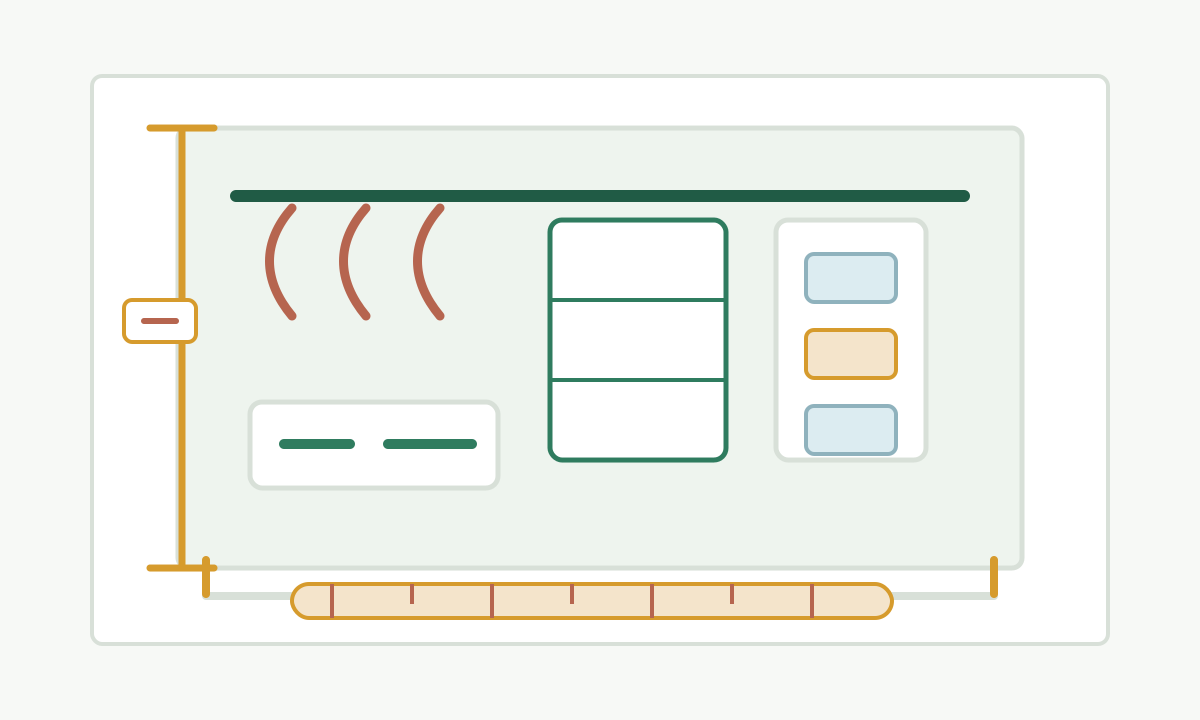
Before comparing organizers, measure the closet instead of guessing from the product photos. You need the inside width, the usable depth, and the height from the floor to the current hanging rod.
Depth matters more than most people expect. Many closet shelves are shallow, and many fabric bins are deeper than the shelf. If a bin sticks out, it can block sliding doors or make the closet feel more crowded.
Also measure the door opening, not just the inside closet. A wide organizer does not help if you cannot angle it through the doors.
Must-Have Features
No permanent installation: Look for freestanding shelves, tension-based systems, over-the-door organizers, hanging shelves, or stackable drawers that do not require wall anchors.
Adjustable sections: Closets change by season. Adjustable shelves, modular cubes, or movable hanging compartments are more useful than one fixed layout.
Stable base: A lightweight organizer can still work, but it should sit evenly on the floor and not tip forward when loaded. Avoid tall, narrow units unless they are designed for freestanding use.
Right-sized bins: Bins should match the shelf depth and the things you actually store. Shoes, sweaters, bags, towels, and cleaning supplies all need different dimensions.
Nice-to-Have Features
Clear fronts can help if you forget what is stored where. Label slots are useful for shared closets. Soft-sided bins are easier to squeeze onto imperfect shelves, while rigid drawers are better for small items that spill or tangle.
Wheels can help in deep reach-in closets, but only if the floor is smooth and the organizer will not block the doors. For most closets, a simple pull-out basket or handled bin is easier.
Choose by Closet Problem
If clothing falls off piles, add shelf dividers or stackable bins before buying a full system. If shoes eat the floor, use a low shoe rack that fits under hanging clothes. If small accessories disappear, use shallow drawers or an over-the-door pocket organizer.
If the closet has one long rod and wasted lower space, a hanging shelf can create folded storage without tools. For heavy sweaters or jeans, choose a reinforced hanging organizer and keep the load modest so the rod is not overburdened.
Setup Difficulty
The easiest options are bins, shelf dividers, and over-the-door organizers. Freestanding cube units usually take longer but can add more structure. Tension systems can be renter-friendly, but they need careful measurement and even surfaces to stay secure.
Skip anything that depends on drilling, wall anchors, or replacing closet hardware unless your lease allows it and you are comfortable restoring the space later.
Who Should Skip a Closet Organizer System
Do not buy a large organizer if the closet is mostly cluttered with items that should be donated, stored elsewhere, or moved to seasonal storage. Organizers make space easier to use; they do not create unlimited space.
You should also skip a tall freestanding unit if your closet floor is uneven, the doors are narrow, or the unit would be difficult to remove when moving out.
Quick Buying Checklist
- Measure inside width, depth, height, and door opening.
- Confirm the organizer does not require drilling or wall anchors.
- Match bins and drawers to shelf depth.
- Choose adjustable parts when possible.
- Check that doors can still open and close freely.
- Keep heavy items low and lighter items higher.
The best renter-friendly closet organizer is not the biggest one. It is the one that fits the closet, respects the lease, and solves the specific mess you deal with every week.
If you need the broader no-drill buying framework after measuring, read the renter-friendly closet organizer guide. For more practical articles, visit The Good Home Doc blog. For more on our editorial approach, read About The Good Home Doc.