About The Good Home Doc
The Good Home Doc helps homeowners, renters, and busy families choose practical home products with less second-guessing.
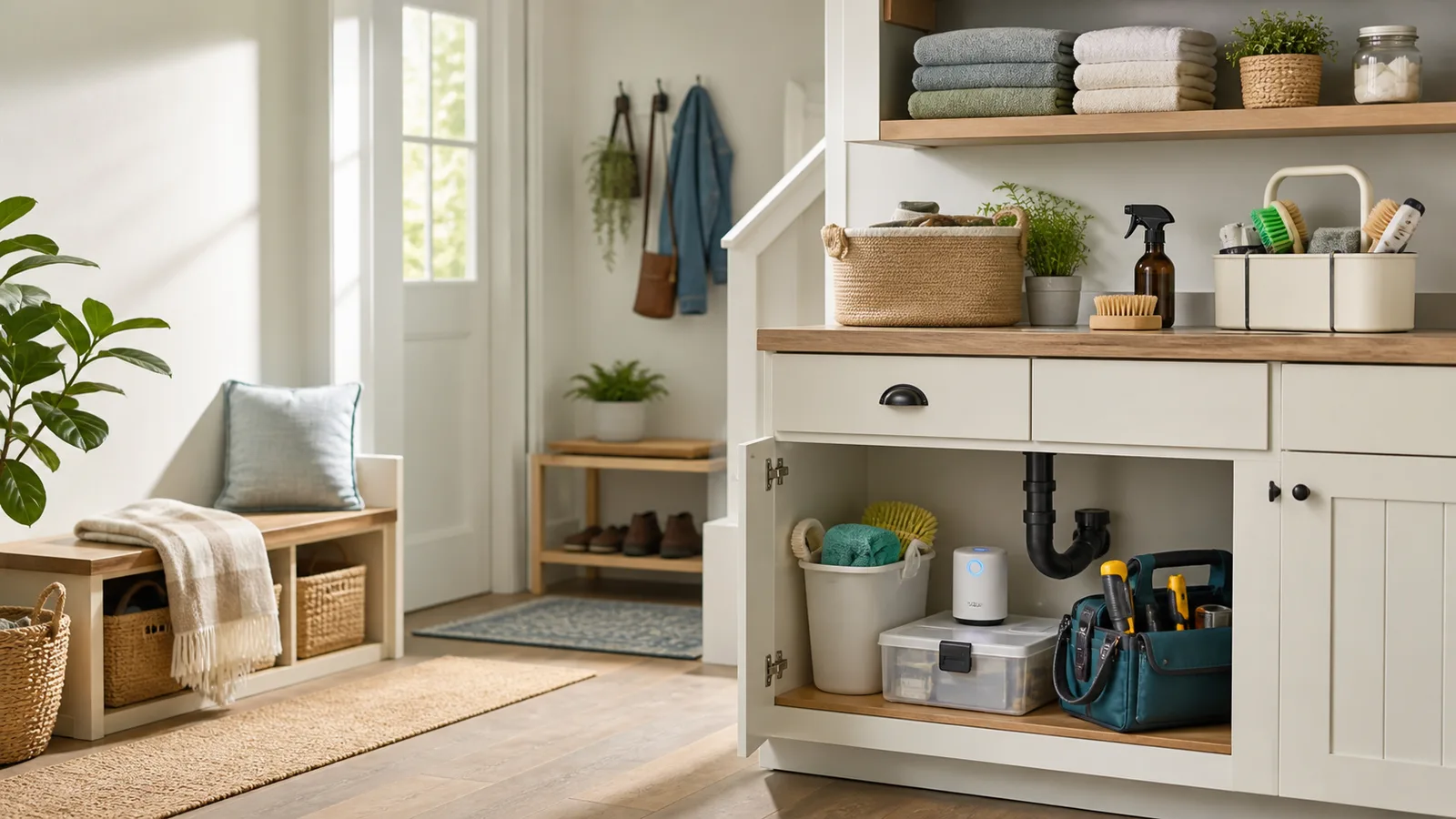
Who this site is for
This site is built for people who want a home that works better without turning every small problem into a research project. If you are comparing organizers, basic tools, cleaning helpers, maintenance gear, or everyday comfort upgrades, The Good Home Doc keeps the advice plainspoken and focused on the job at hand.
What we help solve
Home decisions often start with a simple problem: a cluttered entryway, a weekend chore that takes too long, a tool drawer that never has the right thing, or a product category with too many lookalike options. Our guides start with those real home problems, then explain which product categories are worth considering, what features matter, and what to skip.
How we earn trust
The Good Home Doc does not publish fake testing claims, paid praise, or invented personal reviews. Recommendations are based on practical selection criteria such as fit for the task, durability signals, ease of storage, maintenance needs, safety considerations, and whether the product is likely to earn its space in a busy home.
Each guide should make the decision easier before it sends a reader shopping. That means explaining must-have features, nice-to-have features, measurement checks, maintenance tradeoffs, renter limits, and the situations where buying nothing or calling a qualified professional is the better answer.
When a guide touches leaks, moisture, electrical access, plumbing, structural concerns, gas, fire, mold, pests, warranties, or building rules, it should slow the reader down and point them toward qualified help instead of pretending a product can replace professional judgment.
How guides are created and updated
Guides are built from the reader's home problem outward: we define the job, compare the product categories that can reasonably help, and check the practical constraints that change a recommendation. Those checks include dimensions, installation method, cleaning and replacement needs, renter restrictions, product limitations, and situations where a qualified professional is the safer next step.
We revisit guides when the decision criteria, linked product routes, or safety context needs clarification. Publication and modification dates in article data are used to identify the current version; an updated date does not imply that we personally tested every product mentioned.
Affiliate links and product mentions
Some guides use affiliate links when a product category genuinely fits the reader problem. The Good Home Doc may earn from qualifying purchases. Pages that contain affiliate links say so clearly near the top. Affiliate relationships do not change the selection criteria: product mentions should still explain who the category is for, who should skip it, and what limitations to check before buying.
Editorial approach
- Start with the home problem before naming a product.
- Prefer helpful product categories before specific mentions.
- Explain tradeoffs in clear language, including when not to buy.
- Call out setup difficulty, measurements, maintenance, renter limits, and safety-sensitive stop points.
- Use internal links when the next guide helps the reader make a better choice.
Helpful places to start
Start with the full guide library if you already know the room or problem, or use our product guide archive when you are ready to compare product categories by fit, setup, upkeep, and skip conditions.
For a broader decision path, choose the guide hub that matches the problem: leaks and moisture, small-home organization, renter-friendly upgrades, comfort and safety-adjacent setup, or the home product buying framework.
Safety note
For electrical, plumbing, structural, or safety-critical work, use qualified professional guidance and follow manufacturer instructions. Product guides should help you narrow everyday home decisions, not replace professional judgment when the problem could damage a home or harm someone.
Editorial standards
How The Good Home Doc creates and maintains guides
Ownership
The The Good Home Doc Editorial Team owns each guide and is responsible for corrections, updates, and keeping recommendations aligned with the visible article.
Methodology
We start with the reader’s decision, compare fit criteria and tradeoffs, identify who should skip a product, and separate category guidance from claims that require stronger evidence.
Sources
We favor primary manufacturer documentation, official safety or standards guidance, and clearly identified specialist sources. We do not invent testing, reviews, prices, ratings, availability, or expert quotations.
Affiliate independence
Affiliate relationships may compensate the site, but they do not change the selection criteria. Disclosures appear before monetized links, and category routes are labeled separately from specific-product links.
Corrections and updates
Guides show publication and update dates. When a material error is identified, the editorial team reviews the source, corrects the page, and updates its visible review date.