Home Leaks and Moisture Prevention Guide
Most home moisture problems start small: a damp cabinet floor, a slow drip under a sink, a bathroom that stays humid, or a basement corner that never feels dry. The goal is not to turn every homeowner or renter into a plumber. It is to notice early warning signs, use simple prevention products where they fit, and know when the problem needs qualified help.
As an Amazon Associate, The Good Home Doc may earn from qualifying purchases.
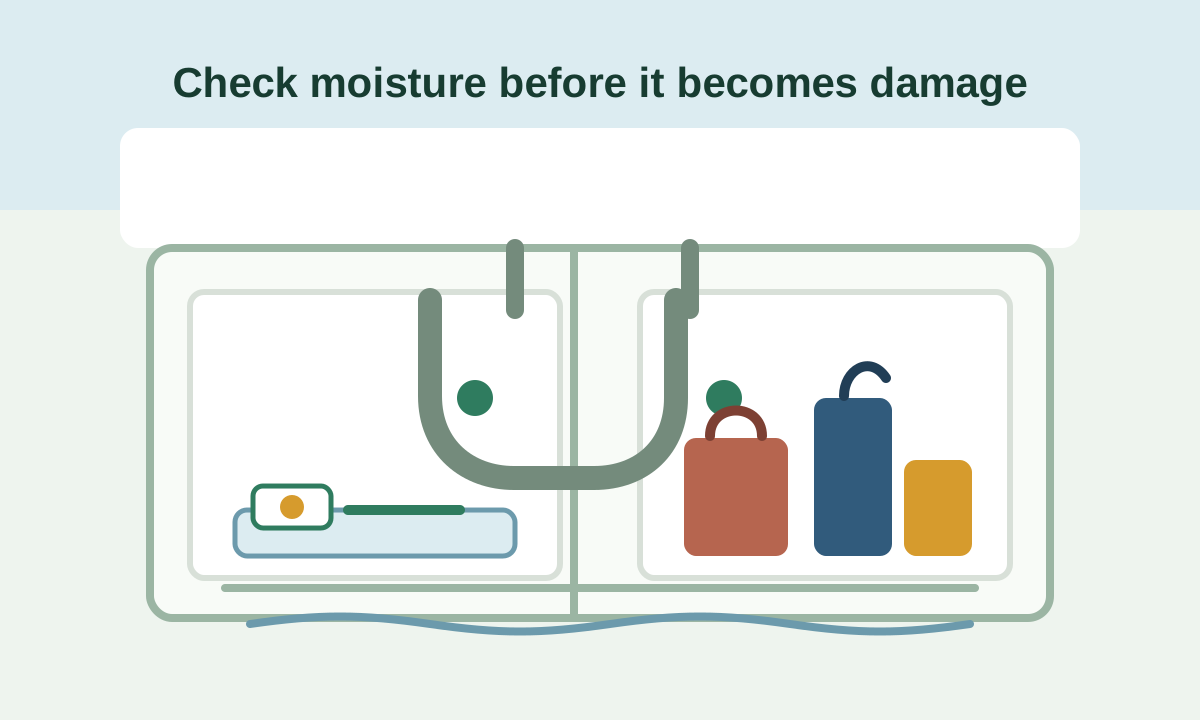
Shop the product decision first: Use these affiliate shortcuts after you check the measurements, setup limits, and skip criteria in this guide.
- Browse category: Under-Sink Water Leak AlarmsBest first comparison set for hidden cabinet leak alerts.
- Browse category: Under-Sink Drip TraysUseful when you need small-spill containment and easier cabinet checks.
- Browse category: Bathroom and Basement Humidity MonitorsGood supporting product when damp air is part of the problem.
These links are shopping starting points, not test rankings. Confirm dimensions, materials, installation limits, cleaning needs, return policy, and whether the product solves your actual home problem before buying.
This pillar guide gives you a practical starting framework. For sink cabinets, pair it with our guides to under-sink leak detectors, under-sink drip trays, and cabinet liners for leaks and spills. For laundry rooms, compare washing machine leak detectors for early warning and washing machine leak pans for limited containment. For a finished mechanical area, use the water heater leak detector guide to compare confined-space coverage and alert reach.
Start With the Moisture Path
Before buying anything, look for where water would show up first and where it would go next. Under a sink, that may be the lowest cabinet corner. In a bathroom, it may be the window, ceiling fan area, grout line, or baseboard. In a basement, it may be the wall-floor joint, a floor drain, or a storage bin pushed against an exterior wall.
Good prevention products make those paths easier to see. A leak alarm gives an alert, a tray contains small drips long enough to notice, a light-colored liner makes staining visible, and a humidity gauge helps you stop guessing about damp air.
Common Problem Areas to Check
- Under sinks: Check supply valves, P-traps, garbage disposals, filters, dishwasher lines, and the cabinet floor below stored bottles.
- Bathrooms: Watch for lingering steam, musty towels, wet bath mats, soft trim, and condensation that stays after normal ventilation.
- Laundry areas: Keep hoses, drain pans, and nearby flooring visible enough to inspect. Do not stack storage so tightly that a slow leak can hide.
- Basements and utility rooms: Look for recurring damp corners, efflorescence, musty odor, and items stored directly on concrete.
- Windows and exterior doors: Notice condensation, swollen trim, peeling paint, or water marks after storms.
Must-Have Prevention Habits
Keep shutoff valves reachable. Storage products should never block the first thing you need in a leak. If an organizer, tray, or bin makes valves hard to reach, choose a different setup.
Make inspections easy. Use removable bins, shallow trays, and light-colored surfaces where small drips are likely. A cabinet that has to be fully unloaded every time is a cabinet that will not be checked often.
Test alarms on a schedule. Leak alarms only help when batteries work and sensors stay in the right place. Test them when you replace filters, clean under the sink, or do a monthly home reset.
Vent damp rooms quickly. Bathrooms, laundry rooms, and humid bedrooms need airflow. If moisture hangs around, reduce the source, improve ventilation where allowed, or get the underlying issue checked.
Helpful Product Categories
Leak Alarms and Water Sensors
Use these where a slow leak could hide: sink cabinets, water heaters, laundry areas, basement mechanical spaces, and behind appliances where the manufacturer allows access. Renters usually should start with battery-powered alarms that do not require drilling, wiring, or plumbing changes.
Drip Trays and Cabinet Liners
Trays and liners help with small spills, bottle leaks, and early moisture visibility. They are not a repair for an active leak. Choose products that lift out easily, clear pipes and valves, and do not trap water underneath.
Humidity Gauges
A small humidity gauge can help in bedrooms, bathrooms, basements, and storage rooms. It is especially useful when a room feels damp but the source is unclear. If readings stay high or surfaces remain damp, treat that as a sign to investigate ventilation or building conditions rather than simply adding fragrances or more storage.
Ventilation and Airflow Helpers
Fans, open shelving, drying racks, and better spacing can help moisture leave surfaces faster. Follow lease rules and manufacturer instructions. Do not block required ventilation, appliance clearances, or emergency exits to chase a tidier setup.
What to Skip
- Dark liners or deep bins that hide stains, dampness, or swelling.
- Permanent installations in rentals without written permission.
- Products that block access to valves, drains, cleanouts, filters, or appliance panels.
- Absorbent mats used as a long-term answer for recurring water.
- Any product that claims to solve mold, plumbing, structural, or electrical problems without proper inspection.
When to Call a Professional
Stop shopping and get qualified help if you see active dripping, recurring dampness, swollen flooring, soft drywall, musty odor that returns after cleaning, staining that grows, warm outlets or electrical concerns near moisture, sewage smell, or water appearing after storms. Renters should contact the landlord or property manager promptly and document the issue.
For homeowners, use the right professional for the suspected source: plumber, roofer, HVAC technician, restoration specialist, or qualified inspector. A leak alarm can warn you that water is present, but it cannot diagnose hidden damage or make a safety call.
A Simple Monthly Check
- Open sink cabinets and look at the floor, pipes, valves, and stored bottles.
- Test leak alarms and confirm they are still sitting where water would collect first.
- Lift trays or liners and make sure the cabinet underneath is dry.
- Check bathrooms for lingering moisture, musty textiles, and condensation.
- Walk basement, laundry, and utility areas before restocking or reorganizing.
Continue the Moisture Check
If the problem is damp room air rather than visible water, first compare hygrometers for basements and bathrooms so you can track trends without treating a reading as a diagnosis. For a damp enclosed storage space, compare closet dehumidifiers and moisture absorbers. For early cabinet containment, use the decision guide on whether an under-sink drip tray is worth it. For routine drips from a compatible window unit, compare window air-conditioner condensation trays without treating a tray as a repair for abnormal leakage. If you are unsure whether a screening tool fits the problem at all, start with whether you need a moisture meter at home; homeowners ready to compare tool types can then review moisture meters as a first check without treating a meter as a diagnosis.
Manage Routine Roof Runoff Outside
Where a functioning downspout empties onto a surface that already slopes away from the home, a correctly fitted downspout splash block can help keep routine discharge moving across the surface. It is not a fix for poor grading, erosion, gutter overflow, foundation-side pooling, or water entering the building.
Bottom Line
The best moisture prevention plan is simple enough to keep doing. Make likely leak paths visible, use alarms where water could hide, keep shutoff access clear, and treat recurring dampness as a real home issue rather than a storage problem. Small products help most when they make early warning signs easier to notice.