Home Comfort and Safety-Adjacent Upgrades Guide
Small comfort upgrades work best when they solve a specific room problem: a dark hallway, dry bedroom air, a noisy apartment, a slipping rug, or a sleep space that never quite settles down.
As an Amazon Associate, The Good Home Doc may earn from qualifying purchases.
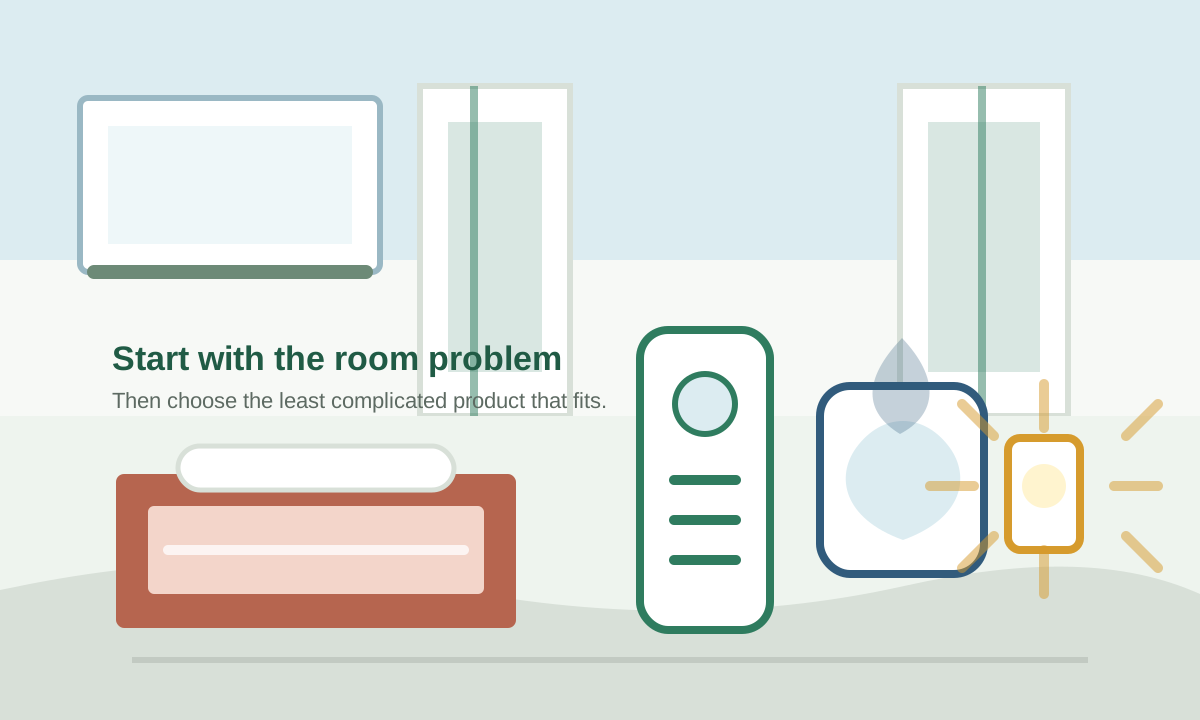
Shop the product decision first: Use these affiliate shortcuts after you check the measurements, setup limits, and skip criteria in this guide.
- Browse category: Bedroom Air PurifiersBest first comparison set before you choose a final model.
- Browse category: Motion Sensor Night LightsUseful upgrade or fit check before you choose a final model.
- Browse category: Quiet Bedroom FansGood supporting product to compare before you choose a final model.
These links are shopping starting points, not test rankings. Confirm dimensions, materials, installation limits, cleaning needs, return policy, and whether the product solves your actual home problem before buying.
This pillar is for everyday products that make a home easier to live in without pretending to replace repairs, medical advice, code work, or professional safety guidance. Use it before buying lighting, air, humidity, noise, or trip-risk reduction products that sound simple but depend heavily on room fit and setup.
Start With the Room Problem
Name what feels wrong before choosing a product. A bedroom that feels stuffy might need better filter maintenance, airflow, cleaning habits, or moisture control before it needs a new appliance. A hallway that feels risky at night might need a small light, but it might also need clutter cleared, a rug flattened, or a loose threshold repaired.
Products are most useful when the problem is narrow, repeatable, and low-risk. When the problem involves recurring dampness, electrical issues, loose flooring, gas smells, smoke, structural movement, medical symptoms, accessibility needs, or anything that could harm someone, stop shopping and bring in the right qualified help.
Best Upgrade Categories
Low-glare lighting: Motion-sensor night lights, plug-in guide lights, and warm task lighting can make a hallway, bathroom route, or stair landing easier to read at night. Start with the motion-sensor night light guide when the goal is a clearer walking path.
Bedroom air and humidity helpers: Air purifiers and humidifiers can make a room more comfortable when they are sized correctly and maintained consistently. Start with our air purifier versus humidifier comparison if you are unsure which problem you are solving. Then compare placement, filter, and cleaning tradeoffs in the quiet bedroom air purifier guide or the easy-to-clean bedroom humidifier guide.
Personal bedside airflow: A compact fan can create close-range airflow without taking the floor space of a room fan. Use the bedside fan guide for nightstand footprint, clamp fit, control lights, power, and cord-placement checks; use the whole-bedroom fan guide when the goal is broader circulation, or compare tower and box fans for a bedroom when those are the two formats under consideration.
Passive bedding changes: When the room is reasonably comfortable but the sleep surface feels heat-trapping, compare materials, mattress fit, barrier layers, and laundry requirements in the cooling mattress pad guide. A pad is a washable bedding layer, not room cooling or treatment for persistent night sweats.
Temporary small-space work surfaces: A lap desk can support occasional laptop or tablet use away from a permanent desk, but it needs to fit the device, chair, vents, and storage spot. Compare cushioned, folding-leg, and ventilated formats in the lap desk guide for small spaces, and choose a permanent work surface for long or equipment-heavy sessions.
Noise-softening products: Rugs, curtains, furniture placement, and white noise machines can reduce everyday apartment noise without permanent work. When sound is traveling through a visible door-bottom gap, compare slide-on blockers, door snakes, and removable sweeps in the under-door noise blocker guide. These are comfort tools, not soundproofing or fixes for serious building issues.
Rug and walkway setup: Rug pads, flatter weaves, clear door swings, and better drop zones can make common walkways feel calmer. For hardwood and rentals, use the non-slip rug pad guide before choosing a backing material.
Close-range seated warmth: A heated throw can warm one adult without treating the whole room, but the decision depends on coverage, controller access, cord routing, wash care, and the maker's restrictions. Use the heated throw guide for drafty living rooms and skip the category when safe power routing or reliable operation is not possible.
Must-Have Buying Checks
- Problem fit: The product should address the actual discomfort, not a vague promise of a better home.
- Room fit: Measure square footage, outlet locations, door clearance, walkway width, furniture spacing, and nearby surfaces.
- Maintenance fit: Filters, batteries, water tanks, pads, bulbs, and adhesive parts need realistic upkeep.
- Renter fit: Prefer plug-in, freestanding, washable, removable, or no-drill options when you do not own the surfaces.
- Stop point: Know when a product is only support and when the underlying issue needs a landlord, manufacturer, clinician, electrician, plumber, flooring pro, or other qualified professional.
Nice-to-Have Features
Adjustable brightness, display dimming, washable pre-filters, wide humidifier tank openings, reusable pads, clear replacement part numbers, and simple controls all make comfort products easier to live with. Smart features can be useful, but they should come after fit, maintenance, and safety basics.
What to Avoid
Avoid products that make broad health, safety, or repair promises they cannot support. A night light does not fix a broken stair. A rug pad does not make a curled rug safe. An air purifier does not solve damp walls, gas appliance concerns, smoke damage, or ventilation failures. A humidifier does not belong in a room that already has condensation or musty surfaces.
Also avoid upgrades that block vents, outlets, smoke alarms, windows, doors, appliance access, plumbing access, or emergency routes. A product that creates a new hazard is not a comfort upgrade.
Simple Room Paths
Bedroom: Start with sleep disruption, dry air, airborne particles, light gaps, or noise. Choose one fix at a time so you can tell what actually helped.
Hallway: Clear the path first, then add low, warm, predictable lighting where turns, thresholds, or bathroom routes are hard to see.
Living room: Use rug pads, furniture layout, softer textiles, and cable control to reduce daily friction without crowding walkways.
Rental: Use removable or freestanding products first, and get permission before anything that changes wiring, plumbing, flooring, windows, doors, walls, or built-ins.
Continue the Nighttime-Lighting Decision
If a hallway or bathroom route is the specific problem, compare motion-sensor night lights for kids and hallways by glare, sensor range, outlet fit, battery access, and the condition of the walking path before buying.
If the bedroom is dark at wake-up time, compare sunrise alarm clocks for dark bedrooms by light range, wake timing, display dimming, sound fallback, controls, and documented power-loss behavior.
If a small nightstand needs adjustable wind-down or reading light, compare dimmable bedside lamps for small nightstands by full footprint, low-end control, glare shielding, stability, bulb system, charging tradeoffs, and cord route.
If a reading chair, shelf, or temporary work spot has no convenient outlet, compare cordless reading lamps for rooms without outlets by support format, beam control, charging routine, battery reporting, stability, and skip conditions.
Bottom Line
The best comfort and safety-adjacent upgrades are practical and limited. They make a daily route, room, or routine easier without overpromising. Start with the room problem, choose the smallest product category that fits it, and treat safety-sensitive warning signs as a reason to pause and get qualified help.