Are Under-Sink Leak Alarms Worth It for Renters?
An under-sink leak alarm is worth it for many renters when a small hidden drip would be easy to miss and expensive or stressful to clean up. It is not worth treating as a repair, a landlord substitute, or a fix for moisture that is already active.
As an Amazon Associate, The Good Home Doc may earn from qualifying purchases.
Shop the product decision first: Use these affiliate shortcuts after you check the measurements, setup limits, and skip criteria in this guide.
- Browse category: Battery Water Leak AlarmsBest first comparison set before you choose a final model.
- Browse category: Smart Water Leak SensorsUseful upgrade or fit check before you choose a final model.
- Browse category: Under Sink Drip TraysGood supporting product to compare before you choose a final model.
These links are shopping starting points, not test rankings. Confirm dimensions, materials, installation limits, cleaning needs, return policy, and whether the product solves your actual home problem before buying.
This page is for the buy-or-skip decision. If you are still building a broader moisture plan, start with the home leaks and moisture prevention guide. If you already know you want one, the under-sink leak alarm guide for renters and under-sink leak detector guide can help you compare alarm styles.
Quick Decision
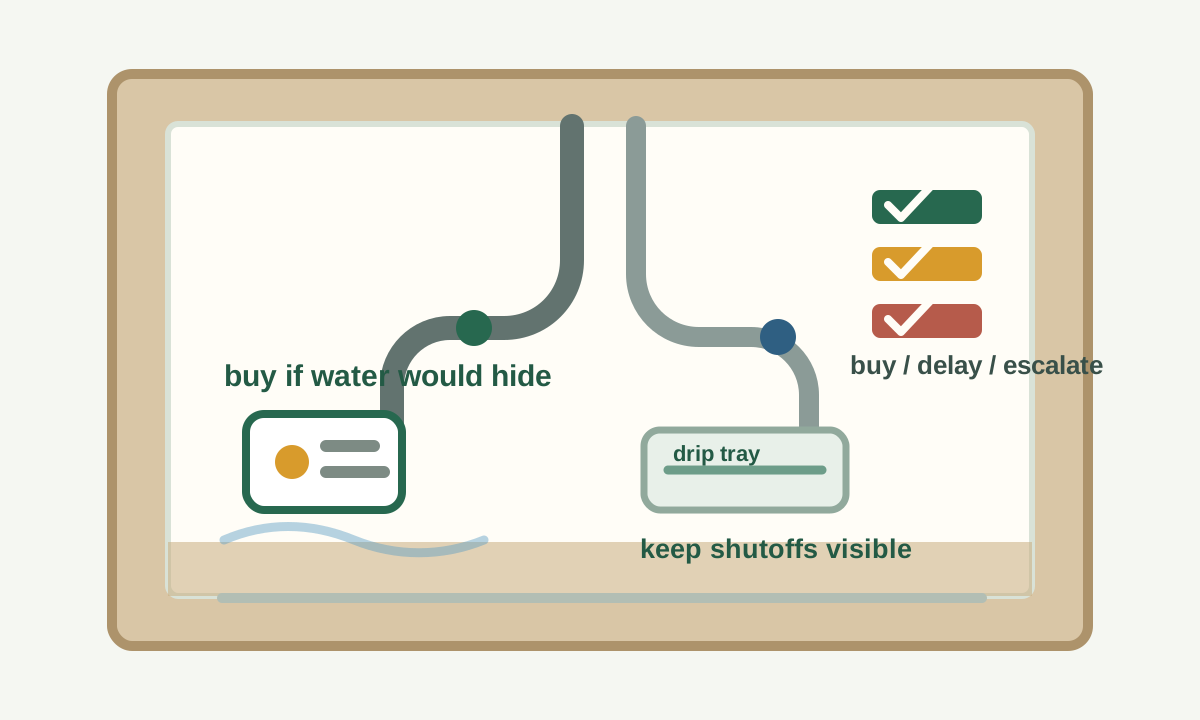
Buy one if the cabinet is crowded, you do not open it daily, the sink has several possible leak points, or water damage would create a serious hassle with the landlord. Choose a simple battery alarm first unless you need phone alerts while away.
Skip or delay if the cabinet is dry, easy to inspect, opened every day, and a removable drip tray would handle your main concern. Also skip gadget shopping if you already see active dripping, swelling, soft cabinet material, musty odor, recurring dampness, or water near walls and flooring.
Escalate instead of buying when water is active, the source is unclear, the same area keeps getting damp, or a supply line, drain, appliance, wall, floor, or ceiling may be involved. Renters should document the issue and contact the landlord or property manager. Homeowners should consider a plumber or qualified repair person when the source is not obvious.
When a Leak Alarm Is Worth It
A renter-friendly under-sink alarm is most useful when it gives you information sooner than your normal routine would. The value is not that it prevents leaks. The value is that it can make a hidden water problem loud enough to notice before stored items, cabinet material, or nearby flooring sits wet for too long.
- You rarely empty the cabinet. Cleaning bottles, trash bags, bins, and extra toiletries can hide a slow drip.
- The sink has more than one risk point. Garbage disposals, water filters, dishwasher lines, pull-down sprayers, and several supply connections create more places for water to appear.
- You travel or work long days. A smart alarm may be worth the extra setup if nobody is home to hear a local alarm.
- The cabinet sits over finished flooring. Early warning matters more when water could reach wood flooring, an apartment below, or a hard-to-dry corner.
- You are trying to be a careful renter. A removable alarm can help you notice and report a problem without modifying plumbing or cabinetry.
When It Is Not Worth It
A leak alarm is not the right first purchase when the problem is already visible. If you can see dripping, staining, swollen cabinet panels, bubbling finish, soft material, or a recurring damp smell, the next step is to address the source. An alarm may still be useful later, but it should not delay a repair request or qualified evaluation.
It may also be a poor fit if you will not maintain it. Battery alarms need occasional testing and battery replacement. Smart sensors add app setup, Wi-Fi reliability, notifications, and sometimes a hub. If that maintenance will get ignored, a simpler visible setup may work better.
Leak Alarm vs Drip Tray vs Routine Checks
A drip tray and an alarm solve different problems. A tray gives small spills and bottle drips somewhere removable to collect. An alarm tells you when water reaches its sensor. Routine checks are still necessary because neither product repairs a leak or dries hidden material.
- Choose a drip tray first if the cabinet is dry, you open it often, and the main mess comes from soap refills, cleaners, sponges, or small storage spills.
- Choose an alarm first if water could appear while the door is closed and you would not notice quickly.
- Use both when the cabinet has multiple plumbing connections, finished flooring nearby, or a history of small moisture scares.
- Choose a repair request first if anything is actively wet, damaged, recurring, or connected to plumbing you do not control.
For a closer comparison, read under-sink drip tray vs leak alarm. For tray fit and measurement help, use the guide to choosing an under-sink drip tray.
What to Look For
If the decision points toward buying, keep the product simple and removable. Renters usually do best with a battery-powered alarm that sits on the cabinet floor or uses a small sensor cable. Avoid products that require plumbing changes, wiring, drilling, or automatic shutoff hardware unless the property owner has clearly approved that setup.
- Audible alert: You should be able to hear it with the cabinet door closed.
- Low sensor profile: The sensor needs to sit where water would travel first, not on top of a tall bin.
- Battery access: Battery changes should not require unpacking the entire cabinet.
- Easy testing: You should be comfortable checking that it still works.
- Clear placement: The alarm should not block shutoff valves, drain access, filters, or garbage disposal service space.
- Smart alerts only when useful: Pay for phone alerts when nobody will be home to hear a local alarm, not because the feature sounds more advanced.
Setup and Maintenance Tradeoffs
The easiest setup is usually to empty the cabinet, wipe the floor dry, identify the lowest area or most likely water path, then place the alarm where water would reach it early. Keep heavy bottles, trash bags, and pull-out bins from covering the sensor. If you add a tray, make sure the alarm can still touch water quickly instead of sitting too high or behind a raised edge.
Plan for maintenance before buying. Test the alarm after setup, then tie future checks to a habit you already have: changing filters, cleaning under the sink, replacing trash bags, or checking smoke alarm batteries. A quiet dead battery turns a useful product into clutter.
Who Should Skip One
Skip an under-sink leak alarm if your main concern is ordinary cabinet mess, not hidden water. A washable tray, removable bin, or better storage layout may be more useful. Skip smart models if you do not want app notifications, Wi-Fi troubleshooting, or another battery device to maintain.
Also skip alarm-only thinking if the cabinet has a known leak history. In that situation, the worth-it question changes from “Should I buy a sensor?” to “Has the source been fixed, and how will I know if it comes back?”
Bottom Line
For renters, an under-sink leak alarm is worth it when early warning would change the outcome: a crowded cabinet, a sink you rarely inspect, travel, finished floors, or several hidden water connections. Buy a simple removable alarm for basic warning, add a drip tray when visible containment helps, and stop shopping when water is active or recurring enough to need a landlord, plumber, or qualified repair person.