Under-Sink Leak Alarms for Renters and Small Kitchens
A small leak alarm is not glamorous, but it can turn a hidden drip into a quick cleanup instead of a warped cabinet, swollen floor, or awkward landlord conversation.
As an Amazon Associate, The Good Home Doc may earn from qualifying purchases.
Shop the product decision first: Use these affiliate shortcuts after you check the measurements, setup limits, and skip criteria in this guide.
- Browse category: Battery Water Leak AlarmsBest first comparison set before you choose a final model.
- Browse category: Smart Water Leak SensorsUseful upgrade or fit check before you choose a final model.
- Browse category: Under Sink Drip TraysGood supporting product to compare before you choose a final model.
These links are shopping starting points, not test rankings. Confirm dimensions, materials, installation limits, cleaning needs, return policy, and whether the product solves your actual home problem before buying.
Why this niche product earns attention
Under-sink spaces are easy to ignore because they are cramped, dark, and usually packed with cleaning supplies. In rentals and small homes, that makes slow leaks especially annoying: you may not notice a damp cabinet base until the smell or staining has already started. A basic water alarm gives you a simple early warning without changing plumbing or drilling into the cabinet. For the broader home checklist, see our home leaks and moisture prevention guide.
Best fit for renters
Renters should look first at battery-powered leak alarms that sit on the cabinet floor or use a removable sensor cable. These are usually easier to place, move, and remove at the end of a lease. Avoid anything that requires permanent mounting, wiring, pipe modification, or a shutoff valve unless the property owner has approved it in writing.
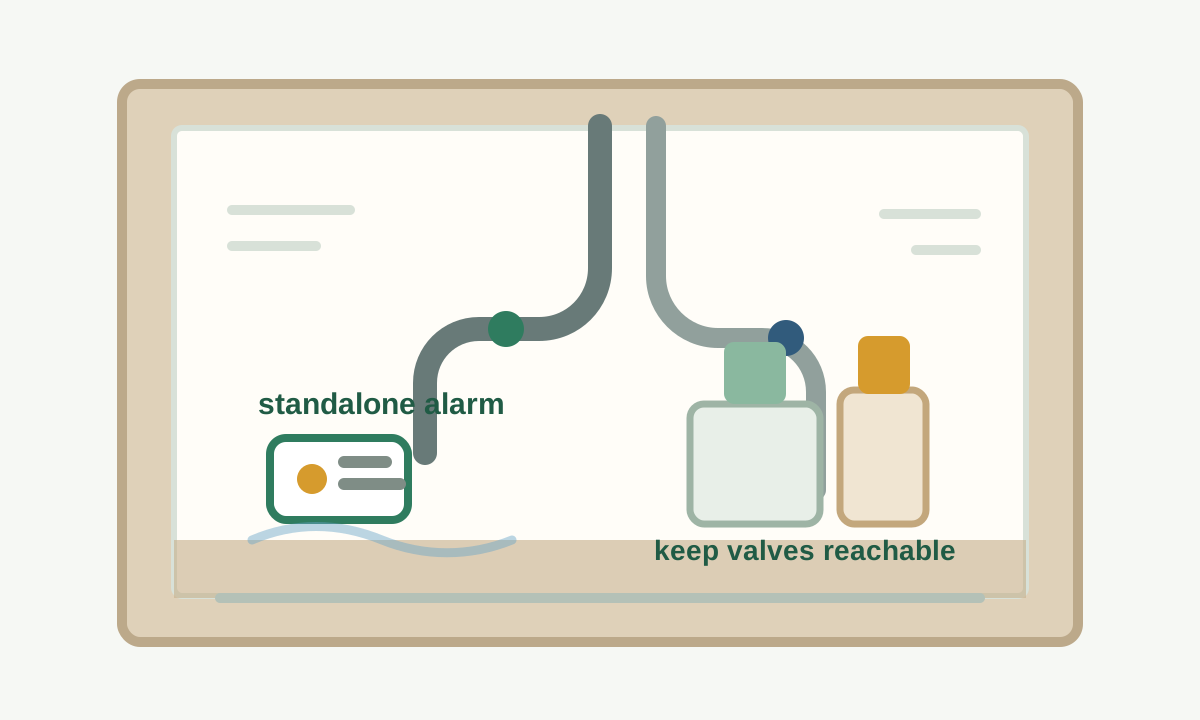
If the alarm is one part of a broader reversible setup, use the renter-friendly home upgrades guide to check lease, surface, and move-out constraints. Keep bottles and supplies from burying the sensor; the under-sink organizer guide explains how to preserve access to valves, traps, and the cabinet floor.
Features that matter
- Loud local alert: A cabinet alarm needs to be easy to hear from the next room, especially if it will not connect to an app.
- Low-profile sensor: Thin sensors are easier to tuck near supply lines, drain traps, garbage disposals, and water filters.
- Battery access: Choose a design that lets you replace batteries without pulling apart the whole cabinet.
- Moisture tolerance: A good alarm should handle normal under-sink humidity without constant false alerts.
- Clear reset process: You should be able to silence and dry the unit quickly after a real spill or cleaning accident.
Where to place one
Start with the lowest part of the cabinet floor, then think through where water would travel first. Common spots include below the P-trap, under supply valves, near a dishwasher line, under a drinking-water filter, or beside a garbage disposal. Keep the sensor visible enough that you will not bury it under bottles and bags.
Before choosing the spot, remove stored items and inspect the cabinet base in good light. If you already see active dripping, staining, swelling, corrosion, or a musty odor, photograph the area and report it through the process required by your lease; an alarm can warn about new water, but it does not diagnose or repair the source. Do not reach around powered equipment or attempt to tighten plumbing when the cause is unclear.
How to test the alarm without making a mess
Follow the manufacturer's test instructions after installing the battery and again on its recommended schedule. For models designed to react to water at exposed contacts, use only the small amount of clean water described by the manufacturer, then dry the contacts fully before returning the alarm to the cabinet. Test with the cabinet door closed and listen from the rooms where you normally spend time.
Add the alarm to an existing routine, such as checking smoke-alarm batteries or changing an HVAC filter. Look for low-battery signals, dust or residue on the contacts, shifted storage, and anything that prevents water from reaching the sensor. Smart models also need a periodic app, notification, Wi-Fi, or hub check; a connected sensor is not useful if alerts are silenced or the device has dropped offline.
When a smarter alarm is worth it
A connected leak alarm can make sense if you travel often, manage a basement apartment, or have a sink over finished flooring where a leak would be expensive. For a studio apartment or a bathroom vanity you use daily, a simple audible alarm may be enough. The practical question is whether you need a phone alert when you are away or just a loud warning when you are home.
What to skip
Skip oversized units that will get shoved aside, mystery-brand bundles with unclear battery requirements, and systems that solve a bigger problem than you actually have. A renter-friendly leak alarm should be easy to place, easy to test, and easy to remove.
What to do when it sounds
Treat the alert as a prompt to inspect, not proof that the alarm is faulty. Move dry stored items out of the cabinet, keep people and pets away from any water near electrical equipment, and follow your lease's maintenance or emergency reporting instructions. If water is spreading quickly, coming through a wall or ceiling, or is near an outlet, disposal, dishwasher connection, or other powered equipment, avoid the wet area and contact property management or an appropriate qualified professional promptly.
After the source has been addressed, dry the cabinet and alarm as directed and check for swelling, staining, odor, or recurring dampness. A drip tray can make a small leak easier to see and contain, but it is not a repair and should not be allowed to hide an ongoing problem. The drip tray versus leak alarm comparison explains when one layer or both make sense.
If you are ready to compare detector styles, use our under-sink leak detector guide for renters and small cabinets to decide whether a simple puck alarm, sensor-cable model, smart sensor, or multipack fits your cabinet.
Quick buying checklist
- Will it fit flat under the sink without blocking stored items?
- Can you hear it with the cabinet door closed?
- Does it work without permanent installation?
- Are the battery type and replacement schedule clear?
- Is the sensor location easy to inspect during regular cleaning?
Related guide: If you are building a practical home kit, start with our low-effort home maintenance tools guide and add leak alarms where water damage would be most frustrating.