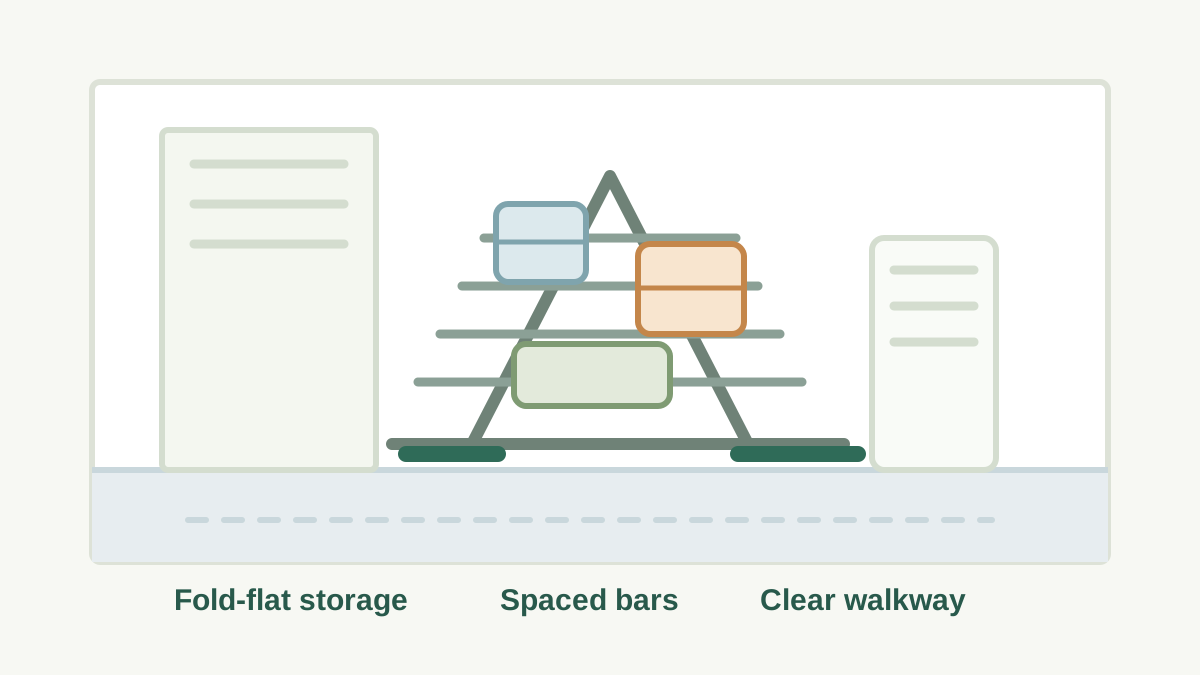
Air-drying laundry sounds simple until a rack blocks the hallway, leaves damp hems bunched together, or scratches the floor every time you move it. The right drying rack is less about buying the biggest one and more about matching the rack to your space, your laundry routine, and how much setup you are allowed to do.
If laundry is part of a bigger small-space reset, pair this with the small-home organization systems guide so drying space, hamper placement, and closet overflow work together.
Start With Where Wet Clothes Can Actually Go
Before comparing rack styles, pick the most realistic drying spot. Good choices usually have airflow, a water-safe floor, and enough clearance for clothes to hang without rubbing walls or furniture.
Measure the open floor area, but also measure height and walking space. A rack that technically fits may still be annoying if it blocks a closet door or forces everyone to sidestep it for a day.
Must-Have Features
Enough bar spacing: Crowded bars slow drying and can leave thick seams damp. Look for a layout that lets shirts, towels, and pants hang with room between them.
Stable feet: A rack should feel steady when loaded unevenly. This matters in apartments, laundry rooms, and bathrooms where floors may be slick.
Floor protection: Rubber or plastic-capped feet help reduce scuffs. If the rack will sit on wood, laminate, or tile, this is worth checking before purchase.
Fold-flat storage: In a small home, the rack has to disappear when laundry is done. Check the folded dimensions, not just the open dimensions.
Material that suits damp use: Powder-coated metal, stainless steel, and sturdy plastic are common choices. Avoid racks with exposed parts that look easy to rust if they will live in a bathroom or laundry area.
Nice-to-Have Features
Adjustable wings: Helpful for longer items like pants, dresses, or sheets, but they add width.
Clip rails or sock holders: Useful for small items, especially if you wash baby clothes, workout gear, or delicates.
Wheels: Handy for moving a loaded rack, but only if the wheels lock and the rack still feels stable.
Tiered sections: These add capacity without taking up as much floor space, though lower tiers may dry more slowly if airflow is poor.
Which Rack Style Fits Your Home?
Fold-out floor racks are the safest starting point for most renters and small households. They need no installation, fold away, and work for mixed laundry loads. The tradeoff is floor space.
Tower racks give more hanging area in a smaller footprint. They work best for shirts, socks, and lightweight items. They can be less convenient for heavy towels or wide bedding.
Over-the-door racks are useful when floor space is tight, but check door thickness, door swing, and whether wet clothes will brush against paint or trim. They can also make a door harder to close.
Wall-mounted racks keep laundry off the floor, but they require secure mounting and may not be renter-friendly. If mounting into a wall, follow the manufacturer instructions and use appropriate anchors for the wall type. If you are unsure what is behind the wall or whether drilling is allowed, ask your landlord or hire a qualified handyman.
Bathtub or shower racks are useful for drip-drying items, but they can make the bathroom unavailable and may slow drying if the room has poor ventilation.
Match the Rack to Your Laundry Habits
If you wash small loads often, a compact fold-out rack may be easier to live with than a large rack that dominates the room. If you do laundry once a week, capacity matters more, but only if the rack can hold clothes without crowding.
For towels and jeans, prioritize stronger bars and wider spacing. For delicates, look for smooth surfaces and places to lay items flat. For families, a tower rack or larger winged rack may reduce the number of separate drying sessions.
Setup Difficulty and Renter Notes
The easiest racks are freestanding: open, load, fold, store. Over-the-door models are usually simple too, but they can mark doors if the hooks are rough or the fit is tight.
Wall-mounted racks are the only type that may involve tools, anchors, and permission. Renters should avoid permanent installation unless the lease allows it. If a product requires drilling into tile, masonry, or an unknown wall assembly, that is a good moment to slow down and get help.
Maintenance That Keeps a Rack Useful
Wipe bars occasionally so clean clothes are not resting on dust or detergent residue. Dry the rack before folding it away, especially if it is stored in a closet. Check hinges, feet, and locking joints every so often; a rack that starts wobbling under wet laundry can damage clothes or floors.
Who Should Skip a Drying Rack?
Skip a freestanding rack if you do not have a safe place to leave it open without creating a trip hazard. Skip wall-mounted options if you cannot drill, do not know the wall type, or need something you can remove without repairs. Skip tiny racks if you regularly dry towels, jeans, bedding, or full household loads.
Bottom Line
For most small homes, the best laundry drying rack is a sturdy fold-flat model with protected feet, generous bar spacing, and enough capacity for one normal wash load. Tower racks are better when floor space is tight, and wall-mounted racks make sense only when installation is allowed and done properly.
Measure first, think through where wet clothes will sit for several hours, and choose the rack that fits your real routine instead of the one with the most bars on the box.