How to Choose a Microfiber Mop System for a Small Home
As an Amazon Associate, The Good Home Doc may earn from qualifying purchases.
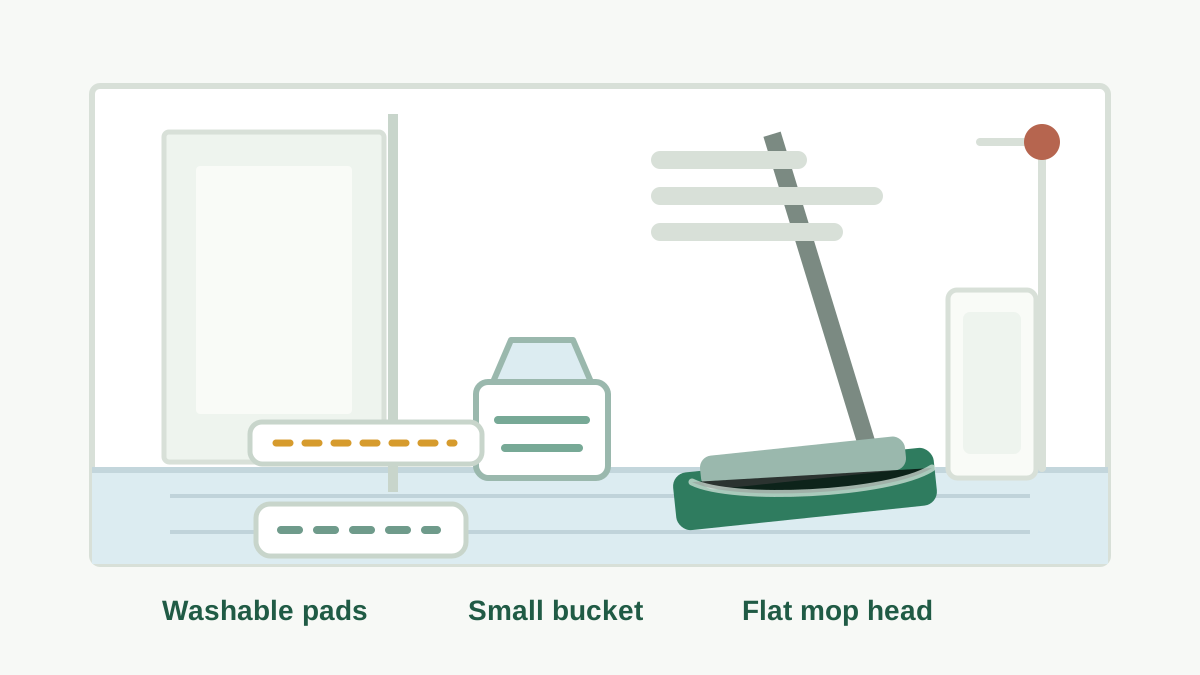
Product-first guide
Shop the products in this guide
Start with these affiliate product routes, then use the guide criteria to check measurements, renter limits, setup fit, and upkeep.
Small homes make floor cleaning feel more annoying than it should. You may not have a laundry room, utility closet, or deep sink for rinsing a bulky mop. A good microfiber mop system should clean everyday dust, crumbs, paw prints, and sticky kitchen spots without taking over your storage space.
This guide fits the cleaning and maintenance helpers pillar. For a broader low-effort maintenance setup, use the low-effort home maintenance tools guide as a practical next step when you are building a simple chore kit.
Start With the Floor Problem
Before comparing mop kits, decide what you need the mop to do most often. Dusty hard floors, pet paw prints, light kitchen splatter, and bathroom touch-ups do not all need the same setup. If you mostly need dry dust pickup, a flat mop with washable dust pads may be enough. If you deal with sticky spills, you will want wet pads that attach securely and rinse clean without fuss.
Check your floor manufacturer's care guidance before using any wet mop, cleaner, steam, or soaking routine. Some wood, laminate, cork, and specialty floors can be damaged by too much water or the wrong solution. If the floor is buckling, stained from a leak, loose, or soft underfoot, stop cleaning and get the underlying problem assessed instead of trying to mop through it.
Choose the Right Mop Style
Flat microfiber mops are the most flexible choice for many small homes. They store upright or behind a door, slide under furniture, and usually work with reusable pads for dry or damp cleaning.
Spray mops are convenient for quick kitchen and entryway touch-ups because the cleaner is built into the handle. The tradeoff is that bottles, triggers, and proprietary pads can add replacement costs or become harder to maintain.
Bucket-and-pad systems can clean more floor area before you stop to rinse, but they need storage space and a practical place to fill and empty water. Choose a compact bucket only if it still lets the pad rinse without splashing.
String and spin mops can handle messier jobs, but they are often more mop than a small apartment or tight kitchen needs. They also take more room to store and dry.
Must-Have Features
- Washable microfiber pads: Reusable pads reduce waste and make it easier to keep one dry pad and one damp pad ready.
- Secure pad attachment: Hook-and-loop strips, pockets, or clamps should hold the pad when pushing around chair legs and cabinet toe kicks.
- A low-profile head: A slim mop head reaches under sofas, beds, bathroom vanities, and low shelving.
- A comfortable handle length: A handle that is too short makes small chores feel harder, especially when cleaning more than one room.
- Easy pad removal: You should be able to remove a dirty pad without handling the wet cleaning face more than necessary.
Nice-to-Have Features
- Extra pads in the kit: Helpful if you want separate pads for bathrooms, kitchens, and dry dusting.
- A hanging loop: Useful when closet floor space is limited.
- A swiveling head: Makes it easier to clean around furniture legs and narrow hallways.
- A refillable spray bottle: Better than single-use cartridges if the design is leak-resistant and easy to clean.
- Clearly labeled pad types: Helpful when the kit includes scrub, polish, dry dust, and wet mop pads.
Match the System to Your Storage
Small homes usually need cleaning tools that disappear between uses. Measure the closet, pantry side wall, laundry corner, or behind-door space where the mop will live. A mop that collapses can help, but only if it is not annoying to reassemble every time. For most people, a slim one-piece handle with a hanging loop is easier to use consistently than a complicated folding system.
If you choose a bucket kit, make sure the bucket can dry fully before it goes back into storage. Trapped moisture can make even a clean mop system unpleasant quickly. Store damp pads separately until they can be washed or dried.
Think Through Laundry and Maintenance
Microfiber works best when the pads stay clean and grabby. Look for pads that are machine washable and easy to air dry. Avoid fabric softener and dryer sheets unless the pad instructions specifically allow them, because they can reduce microfiber's ability to pick up dust and grime.
Plan for enough pads that you are not tempted to reuse a dirty one across the whole home. In a small space, three to five pads may be more useful than one fancy mop head: one for dry dust, one for the kitchen, one for the bathroom, and one or two spares.
Renter and Small-Space Setup Checks
Renters should be careful with adhesive wall clips, permanent hooks, and harsh cleaners that could damage flooring or finishes. A freestanding closet hook, tension-mounted organizer, or over-the-door utility rack may be safer if your lease limits wall changes.
Also think about where you will dump dirty water. Do not pour gritty water into a sink that clogs easily, and avoid splashing cleaning solution on nearby wood cabinets, baseboards, or rugs. Wet floors can be slippery, so keep people and pets out of the cleaned area until it is dry.
Who Should Skip a Microfiber Mop System
Skip a basic microfiber mop if you regularly clean heavy mud, construction dust, large spills, or rough outdoor-adjacent flooring. A sturdier mop, wet-dry vacuum, or professional cleaning plan may fit those jobs better. Skip spray mops if you dislike maintaining small bottles and triggers, or if your floor care instructions require a very specific cleaner.
A Quick Buying Checklist
- The mop head fits under your lowest furniture and around tight corners
- The pads attach securely and can be removed without much mess
- The pad material works for your floor type and cleaning routine
- The handle is comfortable for the tallest regular user
- The kit includes enough pads or sells replacements that are easy to find
- The bucket, bottle, or mop can dry fully before storage
- The whole system fits the closet, hook, or utility space you actually have
Bottom Line
The best microfiber mop system for a small home is usually simple: a slim flat mop, washable pads, and a storage plan that makes it easy to grab and put away. Choose for your floor type first, then your storage space, then the features that make routine cleaning less of a production.