Apartment noise is frustrating because most renters cannot open walls, replace windows, or make permanent changes. The good news is that a few removable products can make a room feel calmer, especially if the noise is coming through doors, windows, floors, or shared walls.
This guide focuses on renter-friendly fixes: items that do not require construction, special permits, or changes your landlord may reject. They will not soundproof a room completely, but they can reduce echo, soften impact noise, and make outside sounds less noticeable. For the broader lease-safe decision process, start with the renter-friendly home upgrades guide.
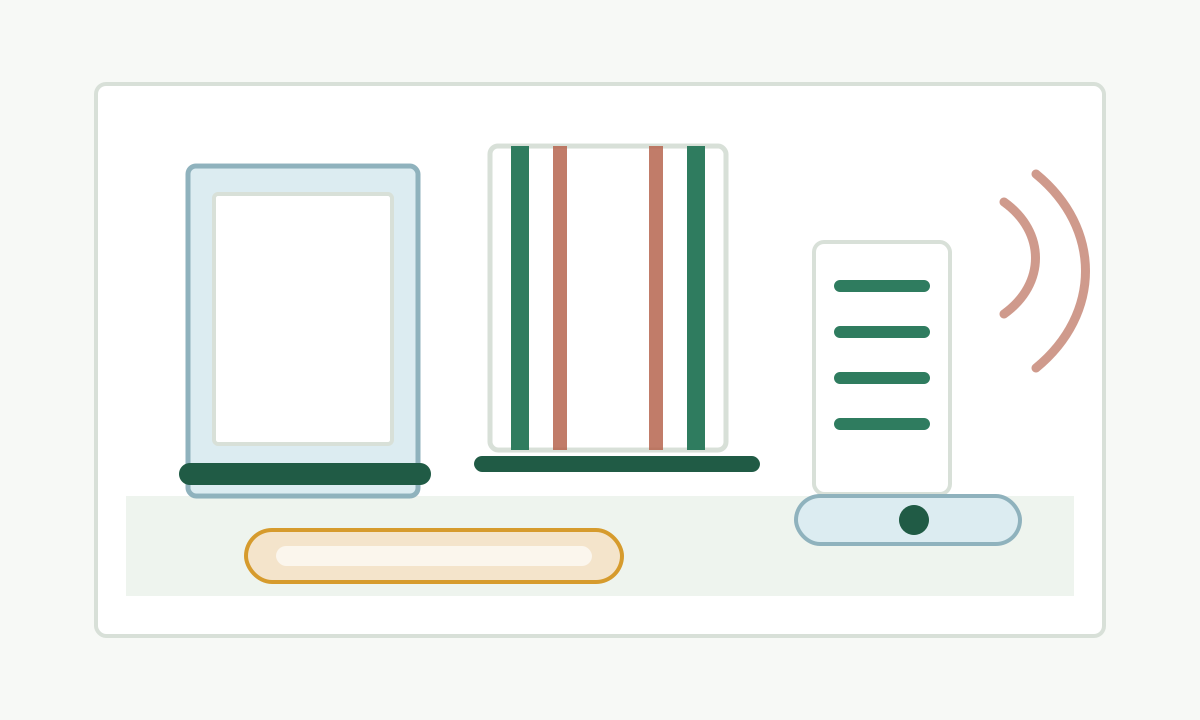
Shop the product decision first: Use these affiliate shortcuts after you check the measurements, setup limits, and skip criteria in this guide.
- Browse category: Door Draft StoppersBest first comparison set before you choose a final model.
- Browse category: Renter Friendly Sound Dampening CurtainsUseful upgrade or fit check before you choose a final model.
- Browse category: Non Slip Rug PadsGood supporting product to compare before you choose a final model.
These links are shopping starting points, not test rankings. Confirm dimensions, materials, installation limits, cleaning needs, return policy, and whether the product solves your actual home problem before buying.
Start by Finding Where the Noise Comes In
Before buying anything, spend five minutes listening from different spots in the room. Noise usually has a path.
- Hallway voices or elevator noise: check the apartment door gap.
- Traffic or sidewalk noise: focus on windows and curtains.
- Footsteps above or echoes inside your room: add rugs and soft materials.
- Neighbor TV or voices through a wall: rearrange furniture and add dense surfaces.
Matching the product to the problem matters. A thick rug will not do much for traffic noise through a window, and heavy curtains will not solve footsteps from upstairs.
Must-Have Fixes for Most Noisy Apartments
1. A Door Draft Stopper or Door Sweep
If hallway noise leaks under your entry door, a removable draft stopper is often the simplest first move. Look for one that fits the full width of the door and sits snugly against the floor. Weighted fabric styles are easiest for renters because they usually do not need adhesive or screws.
Skip it if: your door already drags on the floor, you have a large threshold, or the stopper creates a tripping hazard.
2. Thick Curtains for Windows
Heavy curtains can reduce echo and slightly dampen outside noise, especially in bedrooms facing streets or parking lots. Choose dense fabric with enough width to cover beyond the window frame. Floor-length panels usually help more than short panels because they cover more hard surface.
Do not expect curtains to block noise like a renovated window would. Their real strength is making sharp outside sounds feel less harsh.
Setup note: check your lease before drilling. Tension rods, existing curtain hardware, or removable hooks may be better options for renters, but weight limits matter. If bedroom light control matters as much as noise softening, use the renter-friendly blackout curtain guide to compare panel width, no-drill hardware, and side-gap coverage.
3. A Large Rug With a Dense Rug Pad
Hard floors make noise bounce. A rug helps, but the pad underneath matters just as much. For bedrooms and living rooms, a thicker felt or felt-rubber pad can make footsteps, chair movement, and room echo feel less sharp.
Measure the usable floor area before ordering. A rug that is too small may look fine but will not cover enough hard surface to change how the room sounds.
Skip it if: the floor gets damp, the rug would block a door swing, or the pad is not safe for your flooring type.
Nice-to-Have Additions That Can Help
White Noise Machine or Fan
A white noise machine does not block sound; it masks it. That can be useful for unpredictable noises like hallway doors, distant traffic, or occasional neighbor sounds. Look for steady sound options, physical buttons you can use in the dark, and a volume range that works without being harsh.
Skip it if: you are sensitive to constant background sound or need silence to sleep.
Bookshelves, Fabric Panels, and Soft Furniture
Dense furniture along a shared wall can reduce echo and make voices less distinct. A full bookcase, upholstered chair, fabric wall hanging, or storage bench can all help soften a room. This is not professional soundproofing, but it can make a noticeable difference in sparse apartments.
Avoid hanging anything heavy above beds or seating unless it is properly installed according to the product instructions and your lease allows it.
Window Inserts or Temporary Sealing Kits
Some renters use removable window inserts or seasonal sealing kits to reduce drafts and soften outside noise. These can help when windows are loose or thin, but they need careful measuring and may not work for every window style.
Check first: never block required ventilation, emergency egress, or windows your lease says must remain unaltered.
What to Measure Before You Buy
- Door width and gap height: for draft stoppers or removable sweeps.
- Window width, height, and wall clearance: for curtain panels and rods.
- Floor area: for rugs and rug pads.
- Outlet location: for white noise machines or fans.
- Furniture depth: before placing shelving near tight walkways.
Measure twice if you are ordering online. Returns on oversized rugs, curtain rods, and heavy panels can be annoying and expensive.
When to Ask the Landlord or a Pro
If the noise problem seems tied to a broken window, loose door, damaged weatherstripping, water intrusion, or a building maintenance issue, contact your landlord or property manager. If a product requires drilling, wiring, structural changes, or work near anything unsafe, do not treat it as a DIY noise fix.
For renters, the best noise plan is usually layered: seal obvious gaps, add soft surfaces, cover windows, and use masking sound only where it helps. Start with the noise path you can identify most clearly, then add one fix at a time so you know what actually made the apartment more comfortable.