Are Window Insulation Kits Worth It for Renters?
Usually yes—if the window is sound, the cold air is coming through small frame or sash gaps, and the window can stay closed for the season. Delay the purchase until you have checked the lease and trim finish. Skip the kit when the window leaks water, will not close or lock, has damaged glass or framing, or must remain available for ventilation or emergency escape.
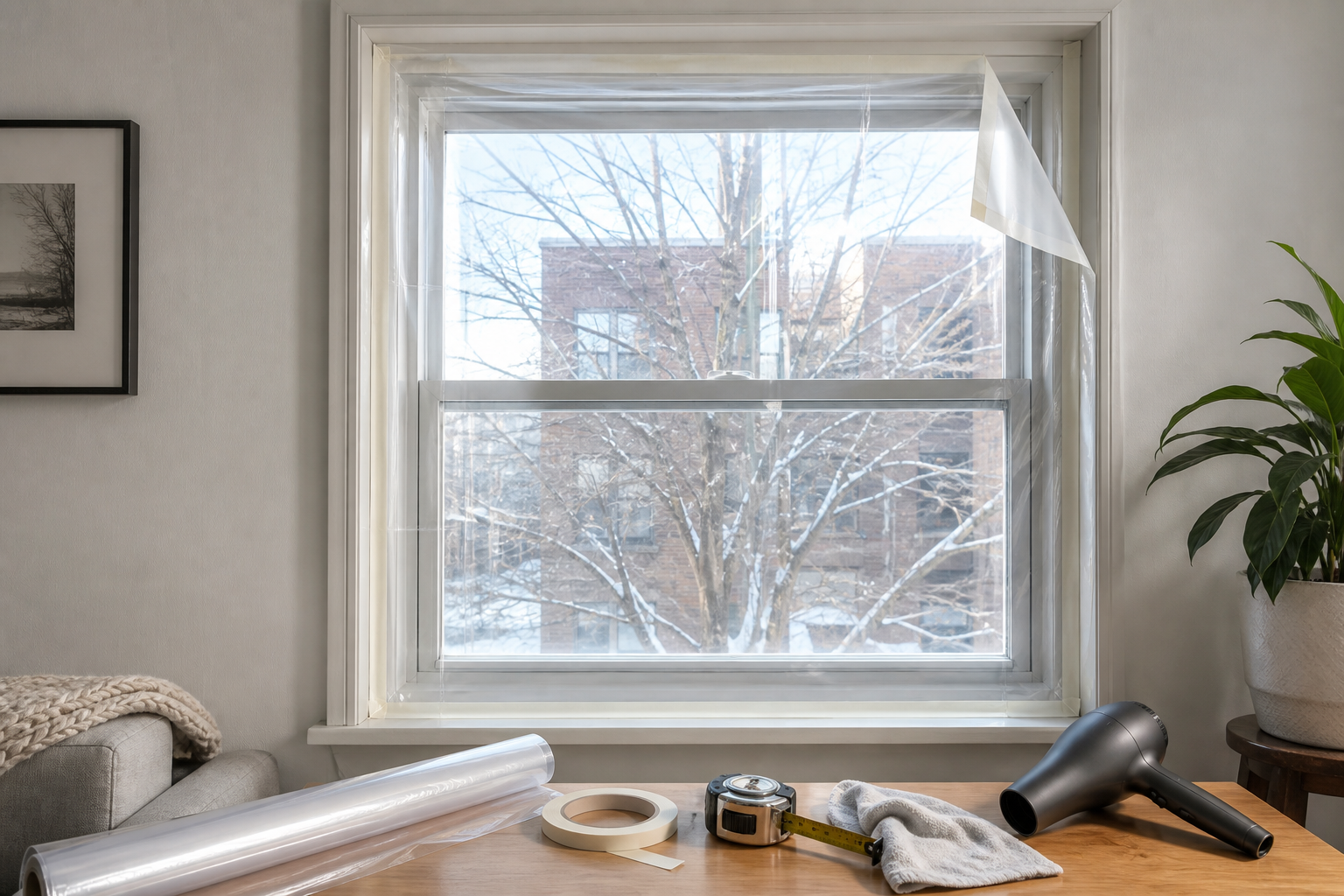
As an Amazon Associate, The Good Home Doc may earn from qualifying purchases.
If film fits your window: Browse category: compare indoor shrink-film window kits by covered dimensions, listed frame surfaces, installation temperature, removal directions, and included tape. This is a category starting point, not a tested ranking.
The Quick Decision
- Buy: you feel a mild seasonal draft at a dry, intact window; the frame surface is compatible; the window can remain closed; and the lease permits the setup.
- Delay: you have not located the draft, checked the lease, tested the finish, measured the attachment perimeter, or confirmed how the window is used.
- Choose an alternative: you need regular window access, dislike the appearance of film, have fragile trim, or only need better nighttime comfort.
- Escalate: there is water entry, cracked glass, damaged trim, a loose sash, a failed lock, recurring heavy condensation, or a window that does not close properly.
What a Window Insulation Kit Can—and Cannot—Do
An interior shrink-film kit creates a temporary air layer across the inside of the window opening. When the installation is continuous and the draft comes through small gaps, that layer may reduce the cold air movement you feel near the window. The practical benefit is comfort, not a guaranteed energy-savings figure.
Film does not repair the window. It cannot correct cracked glass, failed hardware, rot, water intrusion, a badly misaligned sash, or a building-envelope problem. It may also hide the frame edges from daily view, so it is a poor substitute for reporting visible damage or active leakage.
Five Checks Before You Buy
1. Find the Actual Draft Source
On a cool or windy day, check whether air seems to enter around the movable sash, the trim perimeter, a nearby vent, or an exterior door. Do not use a flame to trace airflow. If the discomfort comes mostly from cold glass rather than moving air, film may still make the area feel less exposed, but curtains or a different room setup could be the simpler choice.
2. Decide Whether the Window Can Stay Closed
Shrink film usually spans the operable portion of the window. That is inconvenient when you open the window for everyday ventilation, a window air conditioner, pet access, or cleaning. It is unacceptable if the opening is a required emergency exit. When you are unsure about the window's role, ask the landlord or property manager before covering it.
3. Inspect the Attachment Surface
The tape needs a clean, dry, sound perimeter. Peeling paint, powdery plaster, loose veneer, damp trim, wallpaper, or a delicate finish raises the chance of poor adhesion or removal damage. Check the kit maker's listed surfaces and temperature requirements; “removable” does not mean damage-free on every finish.
4. Measure the Perimeter, Not Just the Glass
Measure the width and height of the flat area where tape would actually attach. Account for blinds, locks, handles, sensors, uneven trim, deep sills, and curtains. Compare both the film dimensions and the included tape length. A kit advertised for several windows may have enough plastic but too little tape for wide trim perimeters.
5. Check the Lease and Building Rules
A temporary product can still conflict with rules about adhesives, window appearance, ventilation, or access. Get written permission when the lease is unclear. Do not cover drainage paths, hardware, vents, or labels, and do not assume that a listing's “renter-friendly” wording overrides building requirements.
Cost, Setup, and Maintenance Tradeoffs
Up-front cost: basic film kits are a consumable seasonal purchase. Reusable interior panels generally cost more and need storage, while curtains can serve year-round but may require separate hardware. Compare the complete setup, including replacement tape and any tools you do not own, rather than only the film price.
Setup: expect cleaning, drying, measuring, applying tape, trimming film, and tightening it according to the maker's directions. A rushed installation can leave wrinkles or gaps. Use a hair dryer only as directed, keep it moving, and protect nearby cords, blinds, and finishes.
Maintenance: inspect the perimeter during the season. Reattach only when the instructions allow it. Watch for trapped condensation, staining, soft trim, or film pulling away. At removal, follow the stated direction and temperature guidance instead of yanking tape from paint.
Appearance and access: well-fitted clear film can be unobtrusive, but reflections, wrinkles, tape lines, and blocked hardware remain possible. If you value an unrestricted view or open the window often, the visual and access costs may outweigh the comfort improvement.
When an Alternative Is Better
- Thermal curtains or removable shades: better when you need to open the window, want nighttime light control, or cannot put tape on the trim. They take floor or wall clearance and do not repair air leaks.
- Manufacturer-compatible removable seal: may suit one small, identified sash gap while preserving more of the view. It must not interfere with locks, drainage, or operation.
- Draft stopper for a door: better when the strongest airflow is under an entry door rather than at the window. Start with the decision guide on whether apartment door draft stoppers are worth it.
- Landlord repair request: the right first move for a window that is damaged, leaking, loose, unsafe, or unable to close and lock normally.
Red Flags: Stop Shopping and Report the Window
- Water enters during rain or melting snow.
- The glass is cracked, loose, or visibly separating from its frame.
- The sash will not close, latch, or lock normally.
- The frame or sill is soft, swollen, stained, or deteriorating.
- Heavy condensation keeps returning or moisture is trapped where it cannot dry.
- The opening may be required for emergency escape, ventilation, or building access.
Photograph the condition and notify the landlord or property manager. If the situation involves immediate safety, major water entry, or uncertainty about a regulated opening, follow building procedures and use an appropriately qualified professional rather than treating film as a repair.
Who Should Skip a Window Insulation Kit
Skip shrink film if you need the window open during the season, cannot confirm permission, have fragile or failing finishes, cannot safely reach the full perimeter, or know you will not inspect the covered frame. It is also a weak fit for renters moving soon when the setup and careful removal will take more effort than the remaining comfort benefit.
People expecting a dramatic fix for a severely cold room should pause as well. The source may be the window, but it may also be an exterior door, unbalanced heating, missing weather seals, or another building issue. Start with the problem, not the product.
Bottom Line
A temporary interior window insulation kit is worth considering when it addresses a mild, seasonal draft at an otherwise sound rental window and you can accept the setup, appearance, blocked access, monitoring, and removal work. Measure and verify before buying. Choose curtains or a compatible removable seal when access or finish risk matters more, and escalate damage, leakage, failed operation, or regulated-window questions instead of covering them.