How to Choose a Dish Drying Rack for a Small Kitchen
As an Amazon Associate, The Good Home Doc may earn from qualifying purchases.
Product-first guide
Shop the products in this guide
Start with these affiliate product routes, then use the guide criteria to check measurements, renter limits, setup fit, and upkeep.
In a small kitchen, a bad dish drying rack does more than look messy. It steals prep space, traps water on the counter, crowds the sink, and turns every hand-washed mug into a tiny storage problem. The right rack should fit your real dish load, drain cleanly, and disappear into the routine instead of becoming another thing to manage.
This guide fits the cleaning and maintenance helpers pillar. For a broader low-effort maintenance setup, use the low-effort home maintenance tools guide as a practical next step when you are building a small chore kit. If floor cleaning is the next bottleneck, pair this decision with the microfiber mop system guide for small homes.
Start With the Space You Actually Have
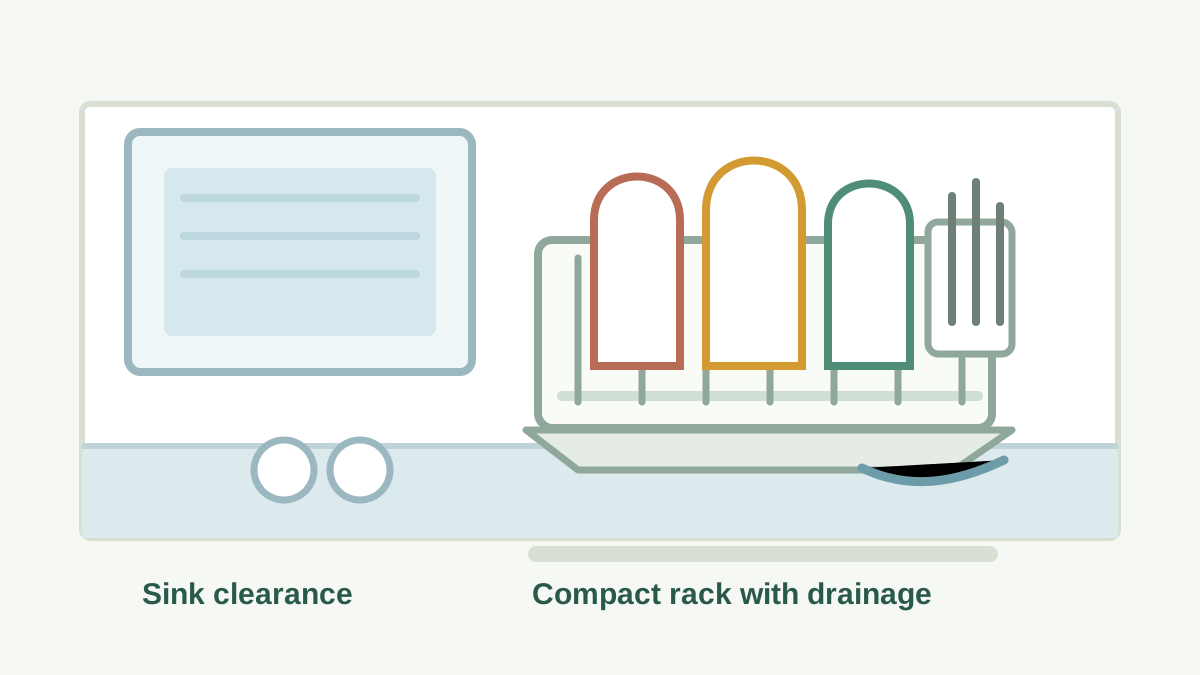
Before comparing materials or clever features, measure the landing zone. Check the width, depth, and height of the counter area next to your sink. If the rack will sit under cabinets, include the clearance above it so tall plates, cutting boards, or wine glasses do not hit the cabinet bottom.
Also pay attention to where water can drain. A rack that looks compact online may need extra room for a drain spout, drip tray, or removable utensil cup. If your sink rim is raised, a low spout may not clear it. If your counter slopes away from the sink, a rack that relies on gravity drainage may leave water sitting in the tray.
Choose the Right Style for Your Kitchen
Countertop racks are the most common choice. They work well if you have a consistent spot next to the sink and wash a moderate number of dishes by hand. Look for a footprint that leaves you enough counter space to prep food or set down groceries.
Over-the-sink racks can save counter space, but they need careful measuring. Check your sink width, faucet height, and whether the rack will interfere with washing large pans. These are best for people who wash small loads often, not for anyone who needs the whole sink open at once.
Roll-up drying mats are useful for renters, tiny kitchens, and occasional dishwashing. They store easily and can double as a quick rinse zone for produce, but they usually do not hold plates upright as securely as a framed rack.
Two-tier racks add capacity without taking more counter width, but they are not always better. They can feel crowded under cabinets, and the upper tier may drip onto items below if the design is poor. Choose one only if you regularly wash enough dishes to justify the height.
Must-Have Features
- A stable frame: The rack should not wobble when loaded unevenly with plates on one side and mugs on the other.
- Good drainage: A sloped tray, swivel spout, or easy-to-empty drip tray matters more than decorative details.
- Enough plate spacing: Narrow slots can make plates lean into each other and dry slowly.
- A removable utensil holder: This makes cleaning easier and lets you move sharp knives away from everyday utensils.
- Materials that handle water well: Stainless steel, coated steel, silicone, and sturdy plastic can all work, but avoid flimsy finishes that chip or trap grime quickly.
Nice-to-Have Features
- Adjustable drain spout: Helpful if your sink position is not centered beside the rack.
- Foldable sections: Useful for small homes where the rack is stored between uses.
- Dedicated glass holders: Worth it if you wash bottles, tumblers, or stemware often.
- Cutting board slots: Helpful, but only if the slot is wide and tall enough for your boards.
- Soft feet: These reduce sliding and help protect countertops.
Match the Rack to Your Dishwashing Habits
If you mostly use a dishwasher and only hand-wash a few items, a roll-up mat or compact countertop rack is usually enough. If you cook daily and wash pans, mixing bowls, and knives by hand, choose a sturdier rack with a real drip system and open space for bulky pieces.
Families should be careful with ultra-compact racks. They look tidy when empty, but they can overflow quickly after breakfast or dinner. A slightly larger rack that drains well may be less frustrating than a small rack that forces dishes onto towels around the sink.
Setup Details People Miss
Check whether the utensil cup can sit on the side you need. Some racks are designed for one orientation only, which can be annoying if your sink is on the opposite side. Also look at how the tray comes out for cleaning. If removing it requires unloading the whole rack or wrestling with clips, it may not get cleaned often.
For renters, avoid racks that require adhesive mounts, drilling, or permanent sink changes unless your lease clearly allows it. Most kitchens can be handled with freestanding or roll-up options.
Maintenance Matters
A dish rack lives in a wet spot, so it needs regular cleaning. Empty standing water, wipe the tray, and wash removable parts before buildup becomes stubborn. If the rack has tight corners, decorative wire patterns, or fixed compartments that are hard to reach, expect more maintenance.
Wood and bamboo parts can look warm, but they need more care around water. If you prefer low-maintenance gear, choose a rack with fewer absorbent parts and simple removable trays.
Practical Shopping Starting Points
Use these as category searches after you measure your sink area and decide which style fits your routine. Check the product dimensions, drainage direction, cleaning instructions, and return policy before buying.
- Browse category: Compact countertop dish drying racks for kitchens with a steady landing zone beside the sink.
- Browse category: Over-the-sink dish drying racks for counters where sink width, faucet height, and pot-washing space all check out.
- Browse category: Roll-up dish drying racks for renters, occasional hand washing, and kitchens that need the counter cleared quickly.
- Browse category: Two-tier dish drying racks for households that need more vertical capacity and have enough cabinet clearance.
Who Should Skip a Standard Dish Rack
Skip a regular countertop rack if you have almost no counter space beside the sink. A roll-up rack, wall shelf approved for your space, or dishwasher-safe routine may work better. Skip an over-the-sink rack if you rely on the full sink for large pots, baking sheets, or frequent food prep. Skip a two-tier rack if your cabinets are low or you dislike visual clutter near the sink.
Bottom Line
The best dish drying rack for a small kitchen is not the one with the most compartments. It is the one that fits your counter, drains into the sink, holds your normal dish load, and can be cleaned without hassle. Measure first, choose the simplest style that fits your routine, and treat drainage as a must-have rather than a bonus feature.